
Test Owner


Shutdown Season

Recruiting Welders, Mechanical Fitters, Platers and Riggers Across Lincolnshire and Yorkshire

Shutdown and maintenance projects depend on skilled trades who can mobilise quickly, work safely and deliver within a fixed programme.
We are recruiting Welders, Mechanical Fitters, Platers and Riggers for shutdown and maintenance works across Lincolnshire and Yorkshire.
These assignments support industrial environments where planned outages, repairs, modifications and installations must be completed within short project windows.
Industrial shutdown and maintenance recruitment
Shutdown work is required across a range of industrial settings, including:
- Power stations
- Refineries
- Chemical plants
- Steelworks
- Processing facilities
- Energy-from-waste plants
- Manufacturing sites
- Industrial services projects
The work may include planned maintenance, plant replacement, fabrication, pipework modifications, equipment installation, lifting operations and mechanical repairs.
Site teams often work extended shifts, including nights, to make the most of the available shutdown window. Employers need people with the correct trade skills, site experience and compliance documents ready before mobilisation.
Our industrial services recruitment team supports contractors and industrial service providers with temporary, contract and project-based staffing requirements.
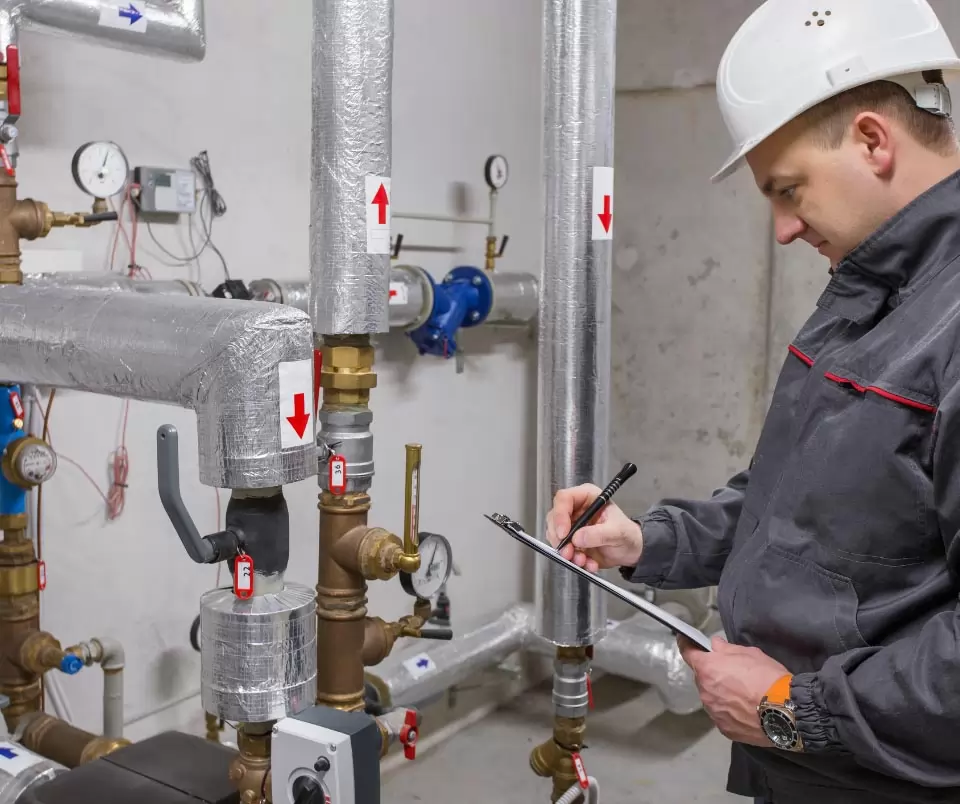
Welders for shutdown and maintenance work
We are recruiting welders with experience in industrial maintenance, repair and modification works.
The requirement may include:
- Coded welders
- MMA welders
- TIG welders
- Pipe welders
- MIG welders where required
- Welders experienced in carbon steel and stainless steel
- Pipework and process plant welders
- Welders able to work to approved procedures
Welders may work on:
- Maintenance repairs
- Pipework modifications
- Plant alterations
- Structural repairs
- Tanks and vessels
- Process equipment
- Supports, brackets and associated steelwork
Employers may check current welding codings, material experience, welding processes and previous industrial shutdown work. Some assignments also require a weld test before site attendance.
Candidates should be prepared to provide:
- Copies of current welding certificates and codings
- Details of welding processes and positions
- Evidence of relevant industrial experience
- References from recent employers
- A complete employment history
The required coding will depend on the project, material, process and quality standard. We confirm these details before putting candidates forward.
Mechanical Fitters for plant maintenance
Mechanical fitters support the removal, repair, installation and maintenance of industrial equipment.
Shutdown and maintenance duties may include:
- Pump removal and installation
- Valve replacement
- Rotating equipment maintenance
- Conveyor and gearbox work
- Bearings and drive systems
- Mechanical installations
- Equipment alignment
- Planned maintenance tasks
- Fault finding and repair support
- Reading engineering drawings and plant documentation
Experience with pumps, valves and rotating equipment is important for many industrial assignments. Employers may also require experience with flanged joints, mechanical components, bolting procedures and alignment activities.
Mechanical fitters may work alongside welders, platers, riggers, electricians, insulation engineers and site supervisors. Clear communication between disciplines is essential when work is being completed under a restricted outage programme.
Typical requirements include:
- Relevant mechanical engineering or mechanical fitting qualification
- Time-served or apprentice-trained background
- Proven industrial maintenance experience
- Previous shutdown or turnaround experience
- Understanding of permit-to-work procedures
- Ability to follow isolation and site control requirements
- Relevant site safety card or passport
Our mechanical and electrical recruitment service supports contractors requiring skilled mechanical personnel for industrial and project-based work.
Platers for fabrication and platework
Platers support the fabrication, repair and installation of steelwork and plant components.
The work can include:
- Platework fabrication
- Structural steelwork
- Fit-up and preparation
- Tank and vessel work
- Industrial fabrication
- Brackets, supports and access steelwork
- Repairs to plant and equipment
- Reading and working from engineering drawings
- Preparing components for welding
Platers need to understand dimensions, tolerances, fabrication drawings and the correct sequence for fit-up. They may also use oxy-fuel cutting equipment, grinders, drills and other fabrication tools, depending on the assignment.
Employers may look for experience in:
- Heavy engineering
- Steelworks
- Process plant
- Pressure vessels
- Tanks
- Structural fabrication
- Industrial maintenance
- Shutdown environments
Relevant fabrication, plating or welding qualifications may be required. Candidates should provide copies of their trade certificates and explain the types of work completed on recent projects.
Platers regularly work with welders, mechanical fitters and riggers. Accurate preparation and fit-up can affect the progress of the wider maintenance team, particularly where equipment must be returned to service by a fixed deadline.
Riggers for lifting and installation support
Riggers support the safe movement, positioning and installation of plant, steelwork and mechanical equipment.
Shutdown rigging work may involve:
- Lifting operations
- Plant movement
- Steelwork installation
- Mechanical installation support
- Equipment removal
- Positioning pumps, valves and components
- Slinging and signalling
- Working with cranes and lifting teams
- Supporting dismantling and reinstatement activities
Industrial riggers must understand lifting plans, load weights, lifting accessories and exclusion zones. They must be able to communicate clearly with crane operators, supervisors and other members of the lifting team.
Employers may check:
- Recognised rigging or lifting qualifications
- Slinger/signaller competence
- Previous industrial lifting experience
- Experience with heavy plant and equipment
- Understanding of lifting plans and site procedures
- Experience on shutdowns, installations or maintenance projects
Where plant operation forms part of the role, employers may also require CPCS or NPORS certification for the relevant equipment.
Relevant rigger and slinger/banksman vacancies are listed through the Alpha Jobs network.

What employers check before mobilisation
Industrial shutdowns require a clear compliance process. Requirements vary by client and site, but employers commonly check:
- Trade qualifications
- Welding codings and test records
- CSCS, CCNSG or another relevant site card
- CPCS or NPORS for plant operation
- Lifting operation and slinger/signaller experience
- Working-at-height training where applicable
- Confined-space training where applicable
- Permit-to-work awareness
- Medical fitness
- Drug and alcohol testing
- Right-to-work documentation
- References
- Employment history
- Site-specific experience
A valid card or certificate does not replace relevant experience. Employers also need to understand the type of work completed, the industrial environment involved and how recently the candidate carried out similar duties.
Candidates should keep their documents available and ensure that their CV clearly shows:
- Trade title and level of competence
- Relevant qualifications
- Current cards and certificates
- Welding processes and codings
- Industrial employers and project locations
- Shutdown and maintenance experience
- Availability and notice period
- Driving licence and transport arrangements
- Willingness to travel and stay away
What to expect on site
Shutdown and maintenance assignments are structured around fixed dates and defined work scopes.
Candidates should expect:
- 10–12 hour shifts
- Day and night work
- Short, intense project windows
- Travel to sites across Lincolnshire and Yorkshire
- Accommodation where required
- Full PPE requirements
- Site inductions and competency checks
- Permit-to-work systems
- Daily briefings and toolbox talks
- Multi-discipline teams working under pressure
- Changes to work scope as plant conditions are assessed
The work can be physically demanding. It may involve climbing, manual handling, confined areas, hot work, noisy environments, outdoor conditions and extended periods on site.
All workers must follow the site rules, use the required PPE and stop work if conditions are unsafe or do not match the approved method of work.
Alpha Jobs’ shutdown recruitment service
Alpha Jobs has more than 18 years of experience supplying skilled personnel to construction, industrial and specialist sectors.
We use ISO 9001 accredited processes and pre-verify relevant trade and employment compliance before workers are presented for assignments. This helps contractors build teams that can mobilise against the shutdown window.
Our recruitment services support:
- Temporary shutdown labour
- Maintenance teams
- Industrial services personnel
- Mechanical and electrical trades
- Fabrication and welding personnel
- Riggers and lifting support
- Specialist construction trades
- Project-based workforce requirements
We work with contractors, industrial service providers, engineering businesses and employers requiring skilled labour for planned and reactive works.
For candidates, we maintain opportunities across the UK, including industrial and construction assignments. You can register with Alpha Jobs and upload your details for consideration.
Recruiting for a shutdown or maintenance project?
Early workforce planning gives employers more time to confirm:
- Required trade numbers
- Shift patterns
- Project dates
- Site location
- Accommodation requirements
- Site cards and safety passports
- Trade certificates
- Welding codings
- Medical and testing requirements
- Permit and induction arrangements
Contact Amelia Beckett on 07725 020995 or email amelia.beckett@
Our construction trades recruitment UK service supplies vetted construction workers nationwide. We also support businesses looking for construction labour supply UK and site labour hire solutions across industrial, construction and energy projects.
UK Construction Sector Output in 2026
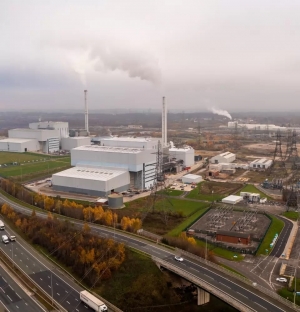
Booming or Cooling? What the Latest Figures Mean for Hiring

The UK construction sector is not booming overall in 2026.
The latest figures point to a market that is flat to contracting, with weaker private housing, commercial development, and new orders. However, infrastructure, energy, utilities and renewable projects continue to provide targeted demand for skilled workers.
For employers, the hiring picture is selective rather than inactive. Projects are still progressing, but labour requirements are concentrated in specific sectors and locations.
The headline figures for UK construction in 2026
The latest output data present a mixed picture:
- Construction output fell by 0.5% in the three months to July 2026 compared with the previous three months.
- Monthly output increased by 0.1% in July.
- Monthly output fell by 0.1% in June.
- Monthly output fell by 0.8% in May.
- Total construction output grew by 0.3% in Q2 2026 compared with Q1.
- New orders fell by 11.8% in Q2 compared with Q1.
- The Construction Products Association (CPA) expects total construction output to fall by 3.3% across 2026.
- Construction activity has contracted for 20 consecutive months on the CPA’s measure.
- Infrastructure remains a relative bright spot, with output forecast to grow by around 3.2% in 2026.
The figures do not support a broad recovery across the sector. They show a two-speed construction market.
What the output figures mean
Output measures work completed during a period. New orders indicate future workload.
These measures can move in different directions. That is what happened during Q2.
Output remained slightly positive
Quarterly output grew by 0.3% in Q2, despite monthly falls in May and June. July then recorded a small monthly increase of 0.1%.
This suggests that some activity is continuing. It does not indicate strong momentum.
The quarterly result was supported by infrastructure and selected public or regulated projects. It was not broad-based growth across private construction.
New orders weakened sharply
The 11.8% fall in new orders is more concerning for the medium-term outlook.
New orders help indicate whether contractors are likely to have sufficient work entering future periods. A fall of this size can lead to:
- Fewer project starts.
- Delayed recruitment decisions.
- Reduced use of temporary labour.
- Greater competition for tenders.
- Pressure on subcontractor margins.
- More cautious workforce planning.
The fall was driven mainly by private commercial new work and public “other” new work. This reinforces the weakness in commercial development and non-infrastructure projects.
The monthly figures show a soft market
The pattern from May to July is not consistent with a strong upswing:
- May: -0.8%
- June: -0.1%
- July: +0.1%
A small monthly increase following two declines represents stabilisation at best. It does not reverse the wider contraction.
Businesses should therefore plan on the basis of uneven demand rather than assume that activity will accelerate across all construction segments.
Which construction sectors are under the most pressure?
The CPA’s summer forecast identifies private housing and private housing repair, maintenance and improvement as the sharpest areas of decline.
Private commercial construction is also affected by:
- Higher financing costs.
- Weaker investor confidence.
- Delayed decisions.
- Lower project viability.
- Cost inflation.
- Reduced demand for some office and retail space.
These conditions affect hiring in different ways.
Contractors may retain core employees but reduce short-term labour requirements. Others may delay recruitment until funding, planning or procurement decisions are confirmed.
For labour-intensive trades, this can create a more competitive market in some areas. It does not mean that every skilled worker is readily available. Specialist competencies remain difficult to secure, particularly when projects require immediate mobilisation or specific tickets.
Infrastructure remains the clearest area of resilience
Infrastructure is performing differently from private housing and commercial construction.
The CPA expects infrastructure output to grow in 2026, supported by longer-term programmes, existing contracts and committed investment.
The stronger areas include:
- Energy generation.
- National Grid distribution.
- Water investment.
- Utilities.
- Renewable energy.
- Power generation.
- Industrial maintenance.
- Selected transport and civil engineering programmes.
These projects continue to require skilled workers even when other parts of the construction market are contracting.
Typical requirements include:
- Groundworkers.
- Drainage gangs.
- Machine operators.
- Highways operatives.
- CPCS and NPORS plant operators.
- Electricians.
- Mechanical fitters.
- Pipefitters.
- Industrial scaffolders.
- CISRS scaffolders.
- Scaffold supervisors.
- Laggers and insulation operatives.
- Site managers.
- Project support personnel.
Infrastructure is not free from delays. Slow procurement, lengthy approvals and delayed delivery can push work back. This creates an uneven hiring cycle, with urgent requirements followed by periods of limited activity.
That makes access to a compliant, scalable workforce more important.

What does this mean for construction hiring?
The main hiring issue in 2026 is not simply a shortage of workers. It is the difficulty of matching the right skills to the right project at the right time.
Employers need greater workforce flexibility
Contractors working across infrastructure and energy projects may need to:
- Mobilise teams at short notice.
- Cover planned shutdowns.
- Increase labour during critical work packages.
- Manage day and night shifts.
- Replace workers who leave mid-project.
- Source local labour to control travel and accommodation costs.
- Scale down quickly when a phase is complete.
A fixed workforce model does not always suit this environment. Site labour hire solutions can provide additional capacity without requiring permanent expansion of the core team.
Compliance remains a hiring priority
Projects in energy, utilities and industrial environments often have strict entry requirements.
Workers may need:
- Verified right to work.
- Current trade qualifications.
- CISRS, CPCS, NPORS, ECS, CSCS or other relevant cards.
- Site-specific experience.
- Health and safety training.
- References and employment history.
- Medical or occupational checks.
- Drug and alcohol testing for certain industrial assignments.
Recruitment speed cannot come at the expense of compliance. A worker who cannot pass site checks does not solve a labour shortage.
Specialist skills remain valuable during a downturn
A contracting market can reduce general demand while maintaining pressure in specialist areas.
For example, a civil engineering project may still require experienced drainage operatives, groundworkers and plant operators. An energy project may still require scaffolders, electricians, laggers and mechanical trades. A shutdown may require a complete team for a limited period.
This is why construction trades recruitment in the UK must be based on sector knowledge rather than general availability alone.
How Alpha Jobs supports resilient construction sectors
We supply vetted construction workers nationwide across construction, civils, industrial, energy and renewable projects.
Our recruitment teams support:
- Infrastructure contractors.
- Civil engineering companies.
- Utilities businesses.
- Energy and power generation projects.
- Renewable energy installers.
- Industrial maintenance providers.
- Scaffolding contractors.
- Electrical contractors.
- Construction and fit-out businesses.
Our scaffolding and access recruitment service covers CISRS scaffolders, advanced scaffolders, industrial scaffolders, supervisors, foremen, rope access technicians, hoist operatives and powered access personnel.
Our civils and groundworks recruitment service supports infrastructure and utilities projects with groundworkers, drainage teams, machine operators, highways operatives and related site personnel.
We also provide renewable energy recruitment for wind, solar, battery storage, substations and power generation projects.
Our process includes:
- Understanding the project and work package.
- Identifying the required qualifications and experience.
- Sourcing suitable candidates from our UK-wide network.
- Checking compliance documentation.
- Confirming availability and mobilisation requirements.
- Supporting temporary, contract and permanent placements.
Our ISO 9001 accredited processes support consistency and accountability throughout delivery.
What employers should do next
A cautious market still requires forward planning.
Construction employers should:
- Identify upcoming labour requirements before procurement is complete.
- Separate immediate needs from forecast requirements.
- Confirm mandatory site qualifications early.
- Build access to specialist workers before mobilisation.
- Use local labour where practical.
- Maintain a contingency list for critical trades.
- Review whether temporary or permanent recruitment is more suitable.
- Allow for procurement and programme delays.
- Work with a recruitment partner that understands the relevant sector.
Waiting until a project is ready to start can reduce the available talent pool. Specialist workers are often committed to other projects, particularly in infrastructure and energy.
The outlook: cooling overall, targeted demand underneath
The UK construction sector is not booming in 2026.
Output is flat to contracting. New orders have fallen sharply. The CPA expects a 3.3% decline in total construction output for the year, with private housing and commercial construction facing the greatest pressure.
However, the market is not declining uniformly.
Infrastructure, energy, utilities and renewables continue to generate work. These sectors require skilled and compliant personnel, even where procurement is slow or delivery dates move.
For employers, the practical response is targeted workforce planning and dependable access to specialist labour.
Alpha Jobs provides construction labour supply across the UK, with particular experience in scaffolding, civils, groundworks, electrical work, industrial services and renewable energy. To discuss a current or upcoming requirement, contact Alpha Jobs or search our latest jobs.
Sources
Looking for Scaffolding Work?

Alpha Jobs Connects Skilled Scaffolders with UK Projects

Scaffolding supports safe access across the UK construction, industrial and infrastructure sectors. Skilled scaffolders help create the working platforms, edge protection and temporary access systems that allow other trades to complete their work safely.
Alpha Jobs connects scaffolders with temporary, contract and permanent opportunities across the UK. Our specialist scaffolding and access recruitment service covers roles from trainee level through to advanced, supervisory and inspection positions.
We have more than 18 years’ experience supplying skilled and compliant workers to construction, industrial, energy, infrastructure and maintenance projects.
Scaffolding jobs across the UK
Scaffolding work is required on a wide range of projects. The work environment, access system and competence requirements vary by site.
Scaffolders may work on:
- Residential developments
- Commercial buildings
- High-rise construction
- Refurbishment and restoration projects
- Infrastructure and transport schemes
- Bridges and civils works
- Industrial maintenance programmes
- Planned shutdowns and turnarounds
- Power generation and energy projects
- Petrochemical and manufacturing sites
- Offshore and marine facilities
- Temporary roofs and encapsulation projects
- Events and temporary structures
Each project requires a different approach. A residential development may involve repetitive system scaffolding and standard access arrangements. An industrial shutdown may require tube-and-fitting scaffolding around pipework, plant and restricted areas.
Offshore and marine projects add further controls around weather exposure, access, lifting operations, transfers and emergency procedures.
Scaffolding roles available
Trainee scaffolder
Trainee roles provide an entry point into the trade. Trainees work under the direction of experienced scaffolders and support the erection, alteration and dismantling process.
Typical duties may include:
- Handling scaffold components
- Preparing materials and equipment
- Supporting qualified scaffolders
- Maintaining safe working areas
- Learning scaffold terminology and components
- Following site rules and instructions
- Developing working-at-height awareness
Trainees need a practical approach, good physical fitness and a clear understanding of site safety. Reliability is important from the first day on site.
CISRS Part 1 scaffolder
CISRS Part 1 is an early stage in the recognised scaffolding training route. Part 1 scaffolders typically work under supervision while continuing to build practical experience.
Employers may look for:
- A current CISRS Part 1 qualification or card
- Relevant site experience
- Understanding of basic tube-and-fitting structures
- Safe use of tools and equipment
- Working-at-height awareness
- Good communication with the scaffold team
The scope of work depends on the employer, site rules and level of supervision provided.
CISRS Part 2 scaffolder
CISRS Part 2 scaffolders have progressed through further training and practical experience. They may work on a broader range of standard scaffolding tasks and more involved structures, subject to their competence and the project requirements.
Part 2 opportunities can include:
- Commercial construction
- Residential construction
- Refurbishment
- Infrastructure
- Industrial maintenance
- Shutdown support
- Access scaffolding
- Tube-and-fitting work
- System scaffolding
Employers will usually check the candidate’s card, experience and suitability for the specific scaffold type and work environment.
Advanced scaffolder
Advanced scaffolders work on more complex structures and access arrangements. The role requires additional training, experience and practical competence.
Advanced scaffolding may involve:
- Complex tube-and-fitting structures
- Truss-outs
- Suspended scaffolds
- Scaffold bridges
- Cantilever arrangements
- Shoring and support structures
- Complex industrial access
- Large-scale temporary works
Advanced scaffolders need to interpret information accurately, understand the limits of the design and communicate effectively with supervisors and other site teams.

Scaffold supervisor
Scaffold supervisors coordinate scaffold gangs and oversee work on site. They help ensure that erection, alteration and dismantling activities follow the agreed method and site controls.
A supervisor may be responsible for:
- Allocating work to scaffolders
- Checking team competence
- Coordinating with site management
- Reviewing drawings and instructions
- Supporting toolbox talks
- Monitoring working-at-height controls
- Checking housekeeping and access routes
- Identifying changes to the work scope
- Escalating safety concerns
- Supporting inspection and handover processes
Supervisory roles require trade experience as well as leadership, communication and planning skills. Additional supervisory training may be required by the contractor or principal contractor.
Scaffold inspector
Scaffold inspectors check completed structures and ongoing scaffold arrangements against the relevant requirements, design information and site procedures.
Inspection work may include:
- Checking access and egress
- Reviewing guardrails and edge protection
- Identifying missing or damaged components
- Checking foundations, ties and stability controls
- Confirming that loading arrangements are suitable
- Reviewing alterations
- Recording inspection findings
- Updating scaffold tags or handover documentation
- Reporting defects and restrictions
Inspection requirements vary according to the project and structure. Employers may ask for relevant scaffold inspection training, practical experience and a suitable CISRS background.
Industrial scaffolder opportunities
Industrial scaffolders work in environments where access requirements are often more complex than on standard building sites.
Typical locations include:
- Power stations
- Cement works
- Manufacturing plants
- Refineries
- Petrochemical facilities
- Waste-to-energy plants
- Processing facilities
- Large maintenance compounds
Industrial work may take place during planned shutdowns, maintenance campaigns or major installation programmes. Scaffolders may need to work around pipework, vessels, steelwork, machinery and other live site interfaces.
Industrial employers may look for:
- Relevant CISRS competence
- Tube-and-fitting experience
- System scaffolding experience where required
- Shutdown or turnaround experience
- Permit-to-work awareness
- Strong site safety records
- Ability to work shifts
- Experience working within multi-discipline teams
Shutdown work is often schedule-driven. Scaffolders must arrive prepared, follow the site process and complete access requirements within agreed work windows.
Offshore scaffolder opportunities
Offshore scaffolders work on offshore energy, marine and related industrial projects. The environment may include restricted work areas, exposed decks, vessel access points and complex lifting arrangements.
Offshore work may involve:
- Platform maintenance
- Offshore wind support activities
- Marine construction
- Vessel access
- Inspection and repair work
- Shutdown campaigns
- Temporary access systems
- Encapsulation and weather protection
Offshore employers may require additional certification alongside scaffolding qualifications. Requirements vary by client and project but can include:
- Offshore medical clearance
- BOSIET or FOET
- CA-EBS training
- MIST
- GWO modules for relevant offshore wind work
- Client-specific site training
- Current working-at-height and rescue training
Candidates should provide accurate details of their offshore certificates, expiry dates, recent project experience and availability.
Why qualifications and competence matter
Scaffolding is safety-critical work. Qualifications provide evidence of training, but employers also need to assess practical competence and relevant experience.
Important factors include:
- Current CISRS status where required
- Relevant training and skills tests
- NVQ or SVQ qualifications where applicable
- Knowledge of tube-and-fitting or system scaffolding
- Working-at-height awareness
- Correct use of fall protection
- Familiarity with site rules and RAMS
- Ability to recognise changing risks
- Clear communication
- Reliable attendance
- Relevant project experience
All workers must use the PPE required by the site. This commonly includes:
- Safety helmet
- Hi-vis clothing
- Safety footwear
- Gloves suitable for the task
- Eye protection where required
- Harness and suitable fall protection when specified
PPE does not replace safe planning or collective fall-prevention measures. Scaffolders must follow the site’s risk assessments, method statements, access controls and rescue arrangements.
Reliability on site
Contractors need scaffolders who can support the programme consistently. This includes:
- Arriving on time
- Maintaining communication with supervisors
- Following instructions
- Completing work to the required standard
- Reporting defects and changing conditions
- Working safely around other trades
- Maintaining tools and equipment
- Completing timesheets and site records accurately
These factors affect access handovers, follow-on trades and shutdown schedules.
Applying for scaffolding work with Alpha Jobs
Alpha Jobs recruits for scaffolding and access roles across the UK. We work with candidates at different stages of their careers, subject to the qualifications and experience required for each assignment.
Candidates should be ready to provide:
- An up-to-date CV or work history
- Current CISRS card details
- Qualification level
- Recent project experience
- Industrial or offshore experience where relevant
- Working-at-height training
- Rescue training where applicable
- Offshore certificates where applicable
- Availability
- Preferred locations
- Right-to-work documentation
You can review available opportunities through the Alpha Jobs search facility or register with Alpha Jobs.
Scaffolding recruitment for employers
Contractors may require a single scaffolder, a complete gang or a wider access team. Requirements can change quickly during a construction programme, maintenance campaign or shutdown.
Alpha Jobs can support requirements for:
- Trainee scaffolders
- CISRS Part 1 scaffolders
- CISRS Part 2 scaffolders
- Advanced scaffolders
- Scaffold supervisors
- Scaffold inspectors
- Industrial scaffolders
- Offshore scaffolders
- Scaffold labourers
- Scaffolding gangs
- Access teams
- Shutdown and maintenance teams
When contacting us, provide:
- Project location
- Required start date
- Expected duration
- Number of workers required
- Scaffolding system or method
- CISRS level required
- Shift pattern
- Industrial, offshore or construction experience needed
- Inspection or supervision requirements
- Site-specific training
- Medical or clearance requirements
- Accommodation and travel arrangements, where applicable
This information helps us match the requirement with suitable candidates and begin the compliance process.

Alpha Jobs scaffolding recruitment
Our scaffolding and access team supplies temporary and permanent labour to contractors nationwide. We support construction, infrastructure, industrial maintenance, energy and shutdown projects.
Our recruitment process includes checks covering:
- Right to work
- Trade qualifications
- Employment history
- References
- Site-specific competence
- Health and safety requirements
We operate an ISO 9001 accredited quality management system and provide recruitment support for both individual placements and larger project teams.
Contact Alpha Jobs
Whether you are looking for your next scaffolding role or need a complete access team for a UK project, Alpha Jobs can discuss the requirement.
For scaffolding job opportunities or employer requirements, call Chloe Lunn on 07496 137337.
Alpha Jobs Becomes an Official Sheffield Wednesday Partner


A new partnership for the season ahead
We are pleased to announce that Alpha Jobs is an official partner of Sheffield Wednesday for the new season.
Supporters visiting Hillsborough Stadium will be able to look out for Alpha Jobs advertising around the stadium, as well as across the club’s digital boards on matchdays.
This partnership brings together two organisations with strong Sheffield connections. Sheffield Wednesday has a longstanding place in the city’s sporting identity. Alpha Jobs has its roots in Sheffield and continues to support businesses and jobseekers across the UK.
Our campaign message reflects that connection:
Born in Sheffield. Recruiting Nationwide.
Proud of our Sheffield roots
Alpha Jobs’ head office is based at Park Hill, South Street, Sheffield. The location is central to our identity and our day-to-day work.
We were established in Sheffield and have built our recruitment business around the needs of specialist employers, skilled workers and project teams. Our consultants work with people and businesses across technical, construction and industrial sectors.
Our Sheffield office remains an important base for our nationwide operations. From here, we support clients and candidates across the country through our wider branch network and recruitment teams.
Our Sheffield connection is reflected in the work we do:
- Supporting local businesses and contractors
- Connecting skilled workers with opportunities across the UK
- Working with employers on temporary, permanent and contract roles
- Supplying specialist labour for planned projects and urgent requirements
- Maintaining relationships across construction, industrial and technical sectors
The partnership with Sheffield Wednesday provides another way for us to show where Alpha Jobs comes from and where our recruitment reach extends.
Recruiting nationwide from Sheffield
Although we are Sheffield-based, our work is not limited to the local area.
Alpha Jobs provides recruitment and workforce solutions across the UK. We work with large companies, specialist contractors, subcontractors, project teams and operational businesses that require experienced and reliable personnel.
Our nationwide recruitment reach covers a range of sectors, including:
- Construction
- Engineering
- Industrial services
- Environmental services
- Energy
- Scaffolding and access
- Mechanical and electrical
- Interior fit-out
- Warehousing and logistics
We support both employers and jobseekers. Employers use our specialist knowledge to identify suitable personnel for their projects and operational requirements. Jobseekers use our network to find roles that match their skills, experience and availability.
This national focus is central to the Alpha Jobs model. Local roots provide the foundation. Nationwide recruitment provides the reach.
Supporting specialist sectors
Our services are structured around sectors where technical knowledge, site experience and compliance are important.
Construction and engineering
We recruit and supply skilled trades, labour, supervisors, managers and technical staff for construction and engineering projects.
This includes personnel for:
- Commercial construction
- Industrial construction
- Residential developments
- Infrastructure projects
- Civils and groundworks
- Plant and machinery operations
- Site management
- Specialist engineering work
Employers often require personnel with specific qualifications, site experience or project backgrounds. We identify candidates according to the role, location, programme and site requirements.
Industrial and environmental services
We support industrial, manufacturing, energy and process sites with temporary and permanent workforce supply.
Our industrial services recruitment includes:
- Industrial scaffolders
- Thermal insulation engineers and laggers
- Industrial painters and blasters
- Surface preparation operatives
- Rope access technicians
- Confined space operatives
- Water jetting operatives
- Industrial cleaning teams
- Shutdown and maintenance teams
These roles can involve live operational environments, regulated sites, shutdown programmes and safety-critical work. We focus on matching employers with workers who have the relevant experience, competence and documentation.
Our industrial services recruitment team supports clients across a range of industrial environments.
Energy and renewables
The energy sector requires skilled people across construction, installation, maintenance and commissioning.
Alpha Jobs supports employers working across areas such as:
- Renewable energy
- Wind projects
- Solar projects
- Battery storage
- Energy-from-waste
- Industrial energy facilities
- Mechanical and electrical installation
- Maintenance and commissioning
We help project teams source suitable labour and technical personnel for both planned and ongoing requirements.
Scaffolding and access
Scaffolding and access recruitment is one of Alpha Jobs’ specialist areas.
We support contractors with personnel including:
- CISRS scaffolders
- Advanced scaffolders
- Scaffold labourers
- Scaffold supervisors
- Access managers
- Industrial scaffolders
- Scaffolding teams for shutdowns and maintenance
Scaffolding projects require workers with the correct qualifications, experience and understanding of site procedures. Our recruitment teams work with employers to identify candidates who meet the requirements of each assignment.
Mechanical and electrical
Our mechanical and electrical recruitment service covers skilled trades for commercial, industrial, energy, defence and manufacturing projects.
We recruit and supply:
- Electricians
- Approved electricians
- Electrical improvers
- Electricians’ mates
- Testing and inspection electricians
- Plumbers
- Pipefitters
- Welders
- Mechanical fitters
- Gas engineers
More information is available through our mechanical and electrical recruitment service.
Interior fit-out, warehousing and logistics
We also support fast-moving interior fit-out programmes and warehouse and logistics operations.
Interior fit-out roles include:
- Shopfitters
- Joiners
- Dryliners
- Ceiling fixers
- Fit-out supervisors
- Complete fit-out teams
Warehousing and logistics roles include:
- Warehouse operatives
- Pickers and packers
- FLT drivers
- Logistics coordinators
- Warehouse supervisors
These sectors often require flexible staffing, reliable attendance and quick responses to changing workloads. We work with employers to provide suitable personnel for short-term assignments, longer-term positions and ongoing workforce requirements.
Supporting employers and jobseekers
The partnership also represents the two sides of our work.
For employers, we provide access to a specialist recruitment network across technical and industrial sectors. We discuss the requirement, identify suitable candidates and support the process through to placement.
For jobseekers, we provide access to roles across the UK, including temporary, permanent and contract opportunities.
We support candidates with:
- Registering for suitable opportunities
- Identifying roles that match their experience
- Understanding project and site requirements
- Discussing availability and location
- Connecting with employers and recruitment consultants
Our contact page provides further information for candidates looking for their next role.
Quality, safety and compliance
Our recruitment service operates around the requirements of the sectors we support.
Alpha Jobs is ISO 9001 certified and Alcumus approved. We are also a TICA member. These standards support our approach to quality, compliance and professional service delivery.
Our processes include checks relating to:
- Right to work
- Qualifications and certifications
- Relevant work experience
- Competence and site readiness
- Role-specific requirements
- Client and project expectations
The exact requirements vary by sector and assignment. We work with employers to understand those requirements before putting candidates forward.
Looking ahead
We are happy to be part of Sheffield Wednesday’s new journey under the new ownership.
The new season provides an opportunity for Alpha Jobs to connect with supporters, businesses and jobseekers through our shared Sheffield association. Supporters can look out for our adverts around Hillsborough Stadium and on the digital boards throughout the season.
We wish David Storch and Sheffield Wednesday good luck for the season.
For Alpha Jobs, the message remains clear:
Born in Sheffield. Recruiting Nationwide.
Recruitment support from Alpha Jobs
Whether you are an employer planning a project or a skilled professional looking for your next opportunity, our team can help.
We provide recruitment and workforce solutions across construction, engineering, industrial services, environmental services, energy, scaffolding and access, M&E, interior fit-out, warehousing and logistics.
Visit www.alphajobs.net to find out more about our services, search for opportunities or contact Alpha Jobs for recruitment support.
Alpha Jobs Is Recruiting
CTC-Cleared and UK-Based Offshore Scaffolders Wanted
Alpha Jobs is recruiting experienced scaffolders for UK project requirements where scaffolding competence, compliance and site readiness matter. Current recruitment focus:
- Scaffolders with valid CTC clearance
- UK-based offshore scaffolders
Scaffolding is the central requirement on these assignments. Employers need operatives who can build, adapt and maintain safe access in live construction, industrial, energy and offshore environments.
Interested in joining Alpha Jobs? Contact Sam Davis or register online at https://jobs.alphajobs.net/register.aspx.
Employers with scaffolding requirements should contact Sam Davis.
The role of scaffolders across UK projects
Scaffolders support safe access, sequencing and productivity across a wide range of work fronts. Their work is not limited to erecting a temporary structure. It affects how other trades reach the task, how materials are handled and how works proceed safely to programme.
Scaffolders are commonly required across:
- Construction projects
- Industrial maintenance
- Plant shutdowns
- Energy infrastructure
- Utilities works
- Offshore energy
- Marine and port-based works
- Refurbishment and inspection programmes
Typical responsibilities include:
- Erecting, altering and dismantling scaffolds
- Providing safe access and working platforms
- Adapting scaffold layouts as the job progresses
- Supporting inspection, repair and installation works
- Coordinating with site supervision and other trades
- Maintaining compliance with drawings, method statements and permits
- Identifying defects, restrictions and loading risks
Scaffolding types and work scope
Scaffolding requirements vary by site, structure and trade interface. Employers and candidates should expect work across a range of scaffold types and access solutions.
Tube and fitting scaffolding
Used where flexibility is required. Common on complex structures, industrial plant, irregular buildings and maintenance works.
Typical use:
- Complex façades
- Bridges and civils works
- Industrial access around pipework and steelwork
- Confined or restricted areas
- Alteration work where standard layouts do not suit the task
System scaffolding
Used where speed, consistency and manufacturer-led configurations are required.
Typical use:
- New-build construction
- Repetitive access elevations
- Birdcages and internal platforms
- Large-volume access arrangements
- Projects with standard bay sizes and repeat structures
Access scaffolds
Built to allow other trades to complete installation, maintenance, inspection or remedial work safely.
Typical use:
- Brickwork and façade trades
- M&E access
- Steelwork connection points
- Industrial inspection routes
- Localised maintenance zones
Temporary roofs
Required where weather protection and programme continuity are critical.
Typical use:
- Refurbishment works
- Roofing replacement
- Fire or storm damage recovery
- Sensitive internal fit-out protection
- Industrial shutdown work where exposure must be controlled
Edge protection
Installed to reduce fall risk at open edges, roof perimeters, slab edges and fragile surfaces.
Typical use:
- New-build floor plates
- Roof works
- Stair and void protection
- Temporary openings
- Maintenance work at exposed edges
Encapsulation
Used to contain dust, debris, weather exposure or environmental contamination.
Typical use:
- Surface preparation
- Coating and blasting works
- Industrial maintenance
- Infrastructure repair
- Projects requiring controlled working environments
Inspection and alteration work
A large part of scaffolding demand is not first erection. It is ongoing adaptation and assurance.
This may include:
- Periodic scaffold inspections
- Tagging updates
- Alterations to suit changing work fronts
- Lift closures or access restrictions
- Component replacement
- Dismantling in phases to suit programme
Why experienced scaffolders are critical
Experienced scaffolders affect more than access. They directly affect programme, safety and productivity.
Programme
- Access ready when follow-on trades need it
- Alterations completed without unnecessary delay
- Shutdown and maintenance windows protected
- Temporary roofs and encapsulation installed in time for weather-sensitive tasks
Safety
- Safe working platforms built to design and specification
- Correct load classes and loading controls understood
- Inspection issues identified early
- Working-at-height risks controlled properly
- Rescue arrangements considered before work starts
Productivity
- Other trades can work efficiently when access is correct
- Rework reduces when scaffold layouts suit the actual task
- Material handling becomes more controlled
- Less downtime from access changes, defects or restrictions
Safe access, inspection and control measures
Scaffolding is safety-critical. Employers and candidates should expect clear standards around access, inspection and ongoing control.
Key points include:
- Safe access and egress at all times
- Correct load capacity for intended use
- Scaffold inspections by competent persons
- Tagging systems kept current and visible
- Suitable foundations, ties and stability controls
- Protection from falling materials where required
- Exclusion zones during erection, alteration and dismantling
- Good housekeeping on lifts and access points
Weather exposure also matters. Wind, rain, ice and poor visibility can affect:
- Stability and sheeting performance
- Material handling
- Work at height
- Offshore transfers and deck movements
- Safe use of temporary roofs and encapsulated structures
Rescue planning must be in place before work starts. This is particularly important where scaffolders are working:
- At height
- In complex industrial areas
- In restricted access zones
- Offshore or in marine environments
- Around live interfaces with other contractors
Communication with other trades is also essential. Scaffolders regularly coordinate with:
- Site management
- Supervisors
- Crane teams
- Mechanical trades
- Electrical trades
- Inspection teams
- Rope access teams
- Shutdown planners
Poor communication creates access conflicts, overloading risks and avoidable delay.
CTC-cleared scaffolders
CTC clearance may be required for work on sensitive sites, critical infrastructure, secure industrial facilities, transport locations and controlled energy environments.
CTC clearance does not replace trade competence. Employers will still expect:
- Relevant scaffolding qualifications
- Suitable CISRS card where required
- Proven site experience
- Working-at-height competence
- Good safety record
- Accurate compliance documentation
We are particularly interested in hearing from scaffolders who have:
- Current or recent CTC clearance
- Experience on controlled or secure sites
- Experience with inspection, alteration and access work
- Availability for UK-based assignments
UK-based offshore scaffolders
We are also recruiting UK-based offshore scaffolders for marine, offshore energy and industrial access requirements.
Offshore scaffolding adds further complexity. Work may involve:
- Offshore platforms and structures
- Offshore wind support assets
- Vessels and marine access points
- Port-based fabrication and maintenance areas
- Shutdown and inspection campaigns
- Encapsulation and weather-exposed access works
Offshore employers need scaffolders who understand:
- Restricted working areas
- Marine weather exposure
- Tight lifting and storage controls
- Permit systems
- Transfer procedures
- Rescue expectations
- Coordination with multi-discipline teams
Experience and qualifications employers should expect
Scaffolding requirements depend on the site and scope. For experienced scaffolder roles, employers commonly look for:
- CISRS card relevant to the level of work
- CISRS Part 2 or Advanced card where the role requires that level of competence
- NVQ or SVQ in scaffolding where relevant
- Proven experience in tube and fitting and/or system scaffolding
- Experience in industrial, energy or offshore environments where relevant
- Working-at-height training
- Rescue-from-height training
- Current health and safety records
- Evidence of recent scaffold inspection or alteration work where required
For CTC-cleared roles, employers may also require:
- Current or recent CTC clearance
- Full compliance information for vetting
- Experience on secure or controlled sites
For offshore roles, employers may also require:
- Offshore scaffolding experience
- BOSIET or FOET
- CA-EBS
- MIST where relevant
- Current offshore medical
- GWO modules for offshore wind projects where required
- Additional marine or client-specific safety training
What candidates should be ready to provide
Candidates should be ready to provide accurate, current information to support mobilisation and compliance checks.
This normally includes:
- CV or clear work history
- CISRS card and expiry date
- Qualification level
- Working-at-height training
- Rescue training
- Offshore certificates where relevant
- Current offshore medical where relevant
- CTC clearance status where relevant
- Recent project history
- Availability and preferred work locations
- Right to work in the UK
For offshore roles, practical experience matters. Employers will usually prioritise scaffolders who have worked in comparable environments and can operate safely within marine and offshore controls.
For employers requiring scaffolders
If you require scaffolders, contact Sam Davis.
We can support requirements for:
- CTC-cleared scaffolders
- UK-based offshore scaffolders
- Construction access scaffolds
- Industrial maintenance scaffolding
- Inspection and alteration teams
- Temporary roofs
- Edge protection
- Encapsulation works
- Shutdown and turnaround support
When discussing a requirement, it helps to confirm:
- Project location
- Type of scaffold required
- CISRS level needed
- CTC clearance requirement
- Offshore or marine scope
- Shift pattern
- Start date
- Duration
- Inspection or alteration element
- Any site-specific training or medical requirements
For candidates
We are interested in hearing from experienced scaffolders who can demonstrate safe working practices, reliable site behaviour and current compliance records.
This is particularly relevant if you have:
- CTC clearance
- Offshore scaffolding experience
- CISRS qualifications
- Working-at-height training
- Rescue training
- Industrial or shutdown experience
- Experience with alteration, inspection and tagging responsibilities
Interested in joining Alpha Jobs? Contact Sam Davis or register online at https://jobs.alphajobs.net/register.aspx.
Employers with scaffolding requirements should contact Sam Davis.
The UK Groundworks Skills Shortage

Why CPCS Operatives Are Essential for Project Delivery

Groundworks determine whether a construction project starts correctly. Excavation, drainage, foundations, ducting, earthworks and access routes all depend on skilled people and correctly operated plant.
The UK continues to face pressure on the supply of experienced groundworkers and qualified plant operators. This affects housing developments, infrastructure programmes, utilities, highways and civil engineering projects across the country.
CPCS operatives help contractors meet site requirements by providing recognised evidence of plant competence. Experienced groundworkers provide the practical knowledge needed to complete the wider package safely and accurately.
Why groundworks affect the whole project
Groundworks sit at the start of the construction programme. Delays or defects at this stage can affect every following trade.
Groundworkers and plant operators are responsible for tasks including:
- Site clearance and preparation
- Excavation and earthmoving
- Formation levels and sub-base preparation
- Foundations and concrete bases
- Deep and shallow drainage
- Utility trenches and service ducts
- Kerbing, paving and external works
- Attenuation tanks and interceptor pits
- Road construction and reinstatement
- Compaction and access routes
Poorly completed groundworks can lead to:
- Incorrect levels
- Damaged or poorly connected drainage
- Utility service clashes
- Unstable working areas
- Delays to concrete and structural works
- Additional surveying and remediation
- Increased health and safety risk
The cost of resolving an issue generally increases once later phases have started. Contractors therefore need the right workforce in place before excavation and enabling works begin.
The UK skills shortage in groundworks
Groundworkers and plant operators remain difficult roles to fill in many regions. Demand comes from several parts of the construction and infrastructure market:
- Residential housing
- Commercial development
- Highways and transport
- Rail and infrastructure
- Utilities and water
- Energy and renewables
- Civil engineering frameworks
- Industrial and manufacturing sites
- Demolition and site remediation
The shortage is not limited to workers who hold a card. Contractors also need people with practical experience of working around live sites, existing services, changing ground conditions and active plant movements.
A worker may hold a relevant card but still require the right project experience. This is why contractors should assess both formal competence and previous site performance.
Common CPCS and groundworks roles

Excavator operators
Excavator operators work with tracked or wheeled machines on a wide range of civils and groundworks activities.
Typical duties include:
- Bulk excavation
- Trenching
- Batter work and profiling
- Drainage excavation
- Foundation excavation
- Loading dumpers and wagons
- Working around underground services
- Lifting approved loads where the machine and category allow it
- Backfilling and grading
Contractors should confirm the operator’s CPCS category, machine type and experience. A 360 excavator operator may have experience across different size ranges, but this should not be assumed without verification.
Dumper operators
Dumper operators transport excavated material, stone, soil and other loads around the site.
Common machinery includes:
- Articulated dump trucks
- Forward-tipping dumpers
- Site dumpers
- Other category-specific material-handling equipment
Operators must understand site routes, loading limits, tipping areas, banksman instructions and ground conditions. Articulated dumpers are frequently required on larger infrastructure and earthworks projects.
Alpha Jobs lists CPCS articulated dumper driver roles and supports contractors requiring experienced plant operatives.
Roller operators
Roller operators compact soil, stone, tarmac and other materials to the required specification.
They may work on:
- Road construction
- Temporary access roads
- Site compounds
- Foundations and hardstanding
- Car parks
- Embankments
- Utility reinstatement
- Sub-base preparation
The required result depends on the material, moisture content, layer thickness and compaction specification. Operators need to work accurately with the groundworks team and follow site instructions.
Banksmen and signallers
Banksmen, traffic marshals and signallers help control plant and vehicle movements in restricted or busy areas.
Their responsibilities may include:
- Directing reversing vehicles
- Managing plant movements
- Maintaining exclusion zones
- Communicating with excavator and dumper operators
- Protecting pedestrians and other site workers
- Supporting lifting operations where appropriately trained
- Following the site traffic management plan
Clear communication is essential. Signallers must understand the agreed signals, radio procedures and limitations of their role.
Groundworkers
Groundworkers carry out the manual and technical tasks that support the wider civils package.
Typical duties include:
- Drainage installation
- Manhole construction
- Kerbing and edging
- Ducting and utility installation
- Concrete work
- Shuttering and formwork
- Reinforced concrete preparation
- Pipe bedding and backfilling
- Setting out support
- Footpaths, roads and external works
Many experienced groundworkers also operate smaller plant or hold additional CPCS, NPORS, NRSWA or other relevant qualifications. This multi-skilled capability can be valuable when project requirements change.
Why CPCS cards matter
The Construction Plant Competence Scheme (CPCS) provides evidence that an operative has completed the relevant training, testing or competence requirements for specified plant categories.
CPCS was established to support common standards for plant operators. It covers a broad range of construction plant and related occupations.
For contractors, CPCS can help demonstrate that an operative:
- Holds a recognised competence card
- Has been assessed against a specific plant category
- Understands relevant operating requirements
- Can be considered for access to sites requiring CPCS
- Meets client or principal contractor expectations
A card is not a substitute for a full site assessment. Under the Construction, Design and Management framework, contractors still need to confirm that workers have the skills, knowledge, training and experience required for the work.
CPCS Red Cards and Blue Cards
CPCS Red Cards and Blue Cards reflect different stages of competence. They should not be treated as interchangeable without checking the individual’s circumstances and the requirements of the project.
CPCS Red Trained Operator Card
A Red Card generally indicates that the operator has completed the relevant CPCS training and testing route for the category. It is commonly associated with an operative developing towards the next stage of competence.
The card:
- Relates to specific plant categories
- Indicates a trained stage
- Is intended to support progression
- Has its own validity and upgrade requirements
- Should be checked against the project’s site rules
CPCS Blue Competent Operator Card
A Blue Card indicates the competent operator stage for the relevant category. It normally reflects additional evidence of competence, which may involve an appropriate vocational qualification or an accepted route under the scheme.
The card:
- Relates to a defined plant category
- Indicates the competent operator stage
- May reflect an NVQ or another accepted competence route
- Does not automatically prove experience on every machine type
- Still needs to be considered alongside site-specific requirements
Contractors should check the current CPCS requirements rather than relying on a general assumption about Red or Blue Cards. Card status, categories and expiry dates all matter.
What contractors should verify before mobilisation

A robust recruitment and compliance process should confirm more than a job title.
CPCS and qualification checks
Check:
- Card type
- Card validity
- Plant category
- Machine type and operating range
- Any restrictions or conditions
- Supporting qualifications
- Additional tickets relevant to the site
The required category should match the actual machinery and duties. An operative who is suitable for one type of excavator may not be suitable for another machine or specialist task.
Experience and references
Review:
- Previous groundworks projects
- Experience on similar machinery
- Drainage and utility experience
- Infrastructure or housing experience
- Experience working around live services
- References from previous employers or contractors
- Availability and ability to mobilise
References help distinguish card ownership from reliable practical performance.
Right to work and employment checks
Before a worker arrives on site, contractors should ensure that the recruitment process covers:
- Right to Work documentation
- Identity verification
- Employment history
- Contact details
- References
- Payroll and engagement requirements
These checks reduce the risk of delays at induction and support consistent labour management.
Site safety compliance
Workers may also need to meet project-specific requirements, including:
- Site induction
- CSCS or other access requirements
- Health and safety awareness
- PPE standards
- Medical or occupational requirements
- Manual handling training
- Confined space training
- NRSWA qualifications
- Traffic management competence
- Project-specific briefings
Every site has its own risk profile. The contractor remains responsible for confirming that the person supplied is suitable for the role and working environment.
How Alpha Jobs supports construction labour supply in the UK
Alpha Jobs provides specialist recruitment for civils and groundworks projects nationwide. We supply vetted construction workers for short-term requirements, contract positions and longer-term programmes.
Our civils and groundworks recruitment service covers:
- Groundworkers
- Drainage gangs
- CPCS excavator operators
- Dumper operators
- Roller operators
- Banksmen and signallers
- Highways operatives
- Civil engineering operatives
- Site supervisors and gangers
- Multi-skilled construction workers
Our compliance process includes checks on:
- Right to Work
- Trade qualifications
- CPCS and other competence cards
- Employment history
- References
- Site-specific competencies
- Health and safety requirements
We have over 18 years’ experience supplying labour and technical personnel to construction, infrastructure, industrial and energy projects. Our ISO 9001 accredited processes support consistent recruitment administration, while our nationwide network helps contractors source workers for regional and mobile projects.
See our construction recruitment services or contact Alpha Jobs to discuss upcoming requirements.
Plan groundworks labour early
CPCS operators and experienced groundworkers are in demand. Leaving recruitment until the day before mobilisation can limit the available choice of workers and create unnecessary programme pressure.
Contractors should confirm:
- The required plant categories
- The number of workers needed
- Project location and duration
- Shift patterns
- Start date
- Site access requirements
- Additional tickets
- Accommodation or travel arrangements
- Whether individual workers or complete gangs are required
Early planning gives recruitment teams more time to match competence, experience and availability to the project.
Need CPCS groundworkers or plant operatives for an upcoming project? Call Jaya Howard on 07951 161 868 or email jaya.howard@

Why Power Generation Needs More Electricians
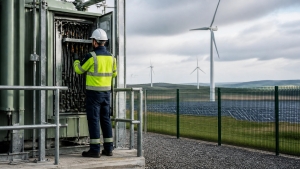
The UK’s 2026 Skills Demand Explained

The UK power sector is expanding across renewable generation, grid infrastructure, battery storage, nuclear, energy-from-waste and wider electrification.
Every new asset requires electrical workers who can install, test, commission, maintain and repair complex systems. This includes electricians, electrical fitters, testing and inspection specialists, commissioning engineers, substation technicians and control-system personnel.
The workforce is not expanding at the same pace as project demand.
The UK Government’s Clean Energy Jobs Plan expects clean energy to create 400,000 additional jobs by 2030. Electricians and electrical fitters are listed among the priority occupations, with a required increase of 7,000 to 8,499 roles.
The Skills England Annual Skills Report 2026 also projects significant growth across clean energy and construction. Its assessment identifies a projected 70.6% increase in priority occupation employment within clean energy between 2025 and 2035.
Why power generation is increasing demand for electricians
Power generation is no longer limited to large conventional power stations. The UK’s energy system now includes a wider range of connected assets:
- Solar farms
- Onshore and offshore wind
- Battery energy storage systems
- Nuclear power stations
- Energy-from-waste facilities
- Hydrogen and carbon capture projects
- Flexible generation plants
- Industrial combined heat and power systems
- Grid-scale substations and interconnectors
Each asset has different operating requirements. All depend on electrical installation, protection, control and maintenance.
The work is also connected to wider electrification. Electric vehicles, heat pumps, industrial processes and data centres are increasing electricity demand. The generation fleet and national grid must be upgraded to provide the required capacity and reliability.
The result is sustained demand for electrical specialists across construction, commissioning, operations and maintenance.

Renewable energy projects require specialist electrical skills
Renewable energy recruitment is increasing as the UK develops new solar, wind and storage capacity.
Electrical workers are involved throughout the project lifecycle.
Installation
Installation work can include:
- Solar PV arrays and DC cabling
- Inverters and transformer connections
- AC distribution systems
- Wind turbine electrical systems
- Cable containment and termination
- Earthing and bonding
- Switchgear and protection equipment
- Auxiliary supplies
- Communications and monitoring equipment
Renewable sites often operate in remote or exposed locations. Workers may need experience of outdoor installation, temporary power, lifting operations, access restrictions and strict permit-to-work systems.
Testing and inspection
Testing confirms that systems have been installed correctly and can operate safely. Typical activities include:
- Continuity and insulation resistance testing
- Polarity checks
- Earth fault loop impedance testing
- Protection relay testing
- Functional testing
- Cable testing
- Inverter and battery system checks
- Inspection of terminations and connections
- Recording results for handover documentation
Testing must be completed by competent personnel using the correct procedures and calibrated equipment.
Commissioning
Commissioning teams verify that equipment performs as designed and integrates correctly with the wider power system.
This can involve:
- Energisation procedures
- Switchgear operation
- Protection settings
- Control panel functionality
- SCADA communications
- Generator and inverter controls
- Grid connection requirements
- Emergency shutdown systems
- Performance testing
- Defect resolution and final handover
A project can have equipment installed but remain unable to export power until commissioning is complete. This creates a particular requirement for electricians and technicians with practical commissioning experience.
Grid upgrades and substations are creating more work
Renewable generation is often located away from major centres of electricity demand. New connections require upgrades to transmission and distribution infrastructure.
Substation work is therefore a major source of electrical demand.
Typical roles include:
- Substation electricians
- Electrical fitters
- HV cable jointers
- Protection and control technicians
- Commissioning technicians
- Switchgear installers
- Electrical testing specialists
- Electrical supervisors
- Authorised persons and senior authorised persons
The equipment may include:
- High-voltage and low-voltage switchgear
- Transformers
- Busbars
- Protection relays
- Current and voltage transformers
- Battery chargers and DC systems
- Control panels
- Remote terminal units
- SCADA equipment
- Earthing systems
- Auxiliary systems
High-voltage work is safety-critical. Employers need people with the correct experience, authorisations and understanding of the site’s electrical safety rules. A general electrical qualification does not automatically provide authorisation to operate or work on every HV system.

Battery storage needs electricians with additional competence
Battery energy storage systems help balance supply and demand. They store electricity when generation is high and release it when required.
The electrical work is different from standard building services installation. Projects can involve:
- DC battery systems
- Battery management systems
- Power conversion systems
- Hybrid inverters
- Containerised electrical equipment
- HVAC and fire detection interfaces
- Protection and isolation systems
- Energy management systems
- Grid connection equipment
- Remote monitoring and controls
The Electrical Contractors’ Association’s 2026 Electrical Skills Index reports a 5.5% fall in electrical apprenticeship starts, despite increasing demand linked to electrification. It also reports that fewer than one in five learners on government-funded classroom electrical courses progressed into an apprenticeship or skilled employment within 12 months.
For battery projects, employers need workers who can follow manufacturer instructions, understand DC hazards, complete testing correctly and work within defined isolation and emergency procedures.
Nuclear and energy-from-waste facilities require reliable maintenance teams
Nuclear power projects create demand for electrical workers during construction, installation, commissioning, operations and decommissioning.
The work can include:
- Industrial electrical installation
- Cable installation and containment
- Switchboards and distribution systems
- Emergency power systems
- Instrumentation and control
- Motors and drives
- Inspection and testing
- Planned maintenance
- Fault finding
- Security and access-controlled environments
Nuclear projects require detailed documentation, traceability, quality controls and strict compliance with site procedures.
Energy-from-waste facilities also depend on electrical specialists. These plants use complex equipment to process waste and generate electricity. Electrical teams may work on:
- Conveyor systems
- Motors and drives
- Turbine generators
- Control panels
- Boiler and process systems
- Instrumentation
- Low-voltage distribution
- High-voltage connections
- Planned and reactive maintenance
Alpha Jobs has supplied electricians to live energy-from-waste environments, including the Riverside Resource Recovery Facility in Belvedere and the Kelvin Waste to Energy Facility.

Electrification is increasing demand beyond power stations
The power-generation workforce is also supporting the electrification of other sectors.
Electrical projects are expanding across:
- EV charging networks
- Heat-pump installations
- Industrial decarbonisation
- Rail electrification
- Smart buildings
- Data centres
- Manufacturing facilities
- Battery manufacturing
- Heat networks
- Hydrogen production
These projects require electricians who understand how new systems connect to existing infrastructure.
They may also involve controls, communications, data cabling, automation and energy monitoring. Workers with a broad industrial background can support several stages of a project rather than only one installation activity.
Qualifications and experience employers may require
Requirements vary by project, voltage level, client and work activity. Common requirements include:
- Level 2 and Level 3 electrical qualifications
- NVQ Level 3 in electrotechnical installation or maintenance
- AM2 or AM2E assessment
- Current BS 7671 18th Edition qualification
- ECS or JIB card where required
- Inspection and Testing qualifications, such as City & Guilds 2391
- Experience with industrial or commercial electrical systems
- HV or LV experience appropriate to the role
- Site-specific authorisation
- EESS, solar PV or inverter experience for relevant renewable projects
- Control panel, instrumentation or SCADA experience
- Safe isolation and permit-to-work competence
- Relevant site safety training
- Manufacturer or client-specific training
A qualification is only one part of competence. Employers also need evidence of practical experience, recent project history, safety awareness and the ability to work within controlled procedures.
Why vetting and compliance matter
Power-generation projects operate in environments where errors can affect safety, programme delivery and system reliability.
Before workers are deployed, employers and recruitment partners should confirm:
- Identity and right to work
- Qualification records
- ECS, JIB or other relevant cards
- Training and certification dates
- Employment and project history
- References where required
- HV or client-specific authorisations
- Medical or occupational requirements
- Site induction requirements
- Security clearance where applicable
- Availability and travel arrangements
Alpha Jobs supplies vetted construction workers nationwide and supports contractors working in regulated, live and programme-critical environments.
Our quality management processes are supported by ISO 9001 accreditation and Alcumus approval. We also maintain specialist networks across electrical, mechanical, construction and renewable energy roles.
How Alpha Jobs supports power-sector recruitment
Alpha Jobs has more than 18 years’ experience in specialist recruitment and staffing.
We supply:
- Electricians
- Approved electricians
- Electrical improvers
- Electricians’ mates
- Testing and inspection electricians
- Electrical fitters
- Mechanical and electrical trades
- Renewable energy technicians
- Wind turbine technicians
- Rope access technicians
- Site supervisors
- Commissioning and maintenance personnel
Our Mechanical & Electrical recruitment service supports commercial, industrial, energy, defence and manufacturing projects.
Our Renewable Energy staffing service supplies technicians and specialist trades for onshore, offshore and maintenance programmes.
We provide temporary, contract and permanent staffing solutions. Our nationwide labour network supports planned mobilisation, short-notice requirements and longer-term maintenance teams.
For contractors seeking construction labour supply UK services, our approach focuses on:
- Qualification and document checks
- Project-specific matching
- Site readiness
- Fast mobilisation
- Local labour where available
- Nationwide coverage
- Clear communication
- Consistent service delivery
The requirement will continue through 2026 and beyond
Power generation is becoming more electrical, more connected and more dependent on specialist maintenance.
Renewable generation, battery storage, substations, nuclear, energy-from-waste and electrification projects are all competing for the same qualified workforce. Training routes are important, but the current pipeline is not yet sufficient for the scale of planned work.
Employers need to plan recruitment early. They also need to define the competence requirements for each role before mobilisation.
Alpha Jobs provides construction trades recruitment UK support for employers that require skilled electrical workers across power generation and associated infrastructure.
Speak to Alpha Jobs about electrical and renewable energy staffing.
Sources
From Foundation to Framework
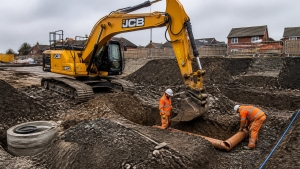
How to Secure Vetted Groundworkers and Plant Operators Across the UK
Introduction
UK civil engineering and groundworks sectors face persistent labour constraints in 2026. Major infrastructure expansions, utility upgrades, and housing frameworks generate sustained demand for skilled trades. Sourcing reliable talent remains a primary challenge for main contractors and specialist subcontractors.
- Acute shortages of ticketed plant operators.
- Rising competition for experienced groundworkers and gangers.
- Increased pressure on project timelines and safety compliance.
We operate as specialist civil engineering recruitment partners, supplying vetted groundworkers, CPCS plant operators, and heavy machinery specialists nationwide. Our rigorous vetting protocols ensure full compliance and seamless site integration.
Current Market Pressures in Civils and Groundworks
Groundworks packages dictate the trajectory of structural and civil engineering projects. Delays at substructure level cascade across subsequent phases, inflating costs and jeopardising contract milestones.
- High volume of active UK civils vacancies.
- Upward pressure on hourly rates for ticketed operatives.
- Administrative burden of verifying certifications and right-to-work documents.
Standard high-street agencies often lack sector-specific insight. Contractors require recruitment partners who understand geotechnical requirements, deep drainage specifications, and heavy plant scheduling. We bridge this gap through targeted candidate sourcing and rapid deployment networks.
Essential Competencies and Operator Tickets
Site safety and productivity depend entirely on operative competency. Regulatory bodies enforce strict verification standards across all earthmoving and civils disciplines.
Mandatory Card Requirements
- CSCS Cards: Verification of core health, safety, and environmental awareness.
- CPCS / NPORS Cards: Certified competence for excavators, dumpers, rollers, and dozers.
- NRSWA (Street Works): Certified operatives for highway excavations and reinstatement.
- Confined Spaces Tickets: Essential for deep drainage and utility connection teams.
Multi-Skilled Operative Demands
- Excavation and trench support execution.
- Deep and shallow drainage installation.
- Service ducting and underground utility laying.
- Sub-base compaction and blinding concrete placement.
We evaluate every candidate against these strict criteria before placement. Our database contains pre-screened professionals ready for immediate site mobilisation.
Foundation and RC Frame Execution
Substructures and reinforced concrete (RC) frames require precision engineering and disciplined labour squads. Substandard workmanship at this stage creates structural failures and costly remediation work.
Core Groundworks Capabilities Supplied
- Strip foundations and piled substructures.
- Basement excavation and earth retention systems.
- RC slab construction and ground beam installation.
- Drainage attenuation tanks and interceptor pits.
We supply complete groundworks gangs and individual specialists who integrate smoothly into existing site hierarchies. Our operatives arrive with full PPE, required tickets, and proven project histories.
Safety, Compliance, and Industry Standards
Civil engineering sites present inherent safety hazards. Employers carry legal obligations to maintain rigorous health and safety standards under CDM regulations. We align our recruitment procedures with internationally recognised benchmarks to protect our clients.
Our Accreditation Standards
- ISO 9001 Accredited: Documented quality management systems governing every stage of our recruitment process.
- Alcumus Approved: Verified standards in health, safety, and risk management.
- TICA Member: Specialized compliance across technical construction disciplines.
We eliminate compliance risks by auditing qualifications, checking references, and managing all administrative vetting before workers arrive on-site.
How We Deliver Compliant Labour Nationwide
We maintain extensive candidate networks across England, Scotland, and Wales. Our recruitment methodology combines digital sourcing tools with deep industry relationships.
- Rapid Sourcing: Instant access to pre-vetted groundworkers and plant operators.
- Transparent Vetting: Complete visibility over card renewals, training records, and work history.
- Scalable Supply: Flexible staffing models for short-term civils packages or long-term infrastructure frameworks.
- Dedicated Account Management: Direct points of contact who understand technical civils terminology and project demands.
Recent Industry Developments
- Infrastructure spending frameworks accelerating across regional hubs.
- Skills bootcamp initiatives scaling up entry-level training pipelines.
- Tightening enforcement on plant operation compliance across major UK sites.
- Growing demand for multi-skilled operatives capable of switching between machine operation and manual civils tasks.
Partner With Us
Securing reliable civils and groundworks labour safeguards project profitability and schedule adherence. We provide the skilled personnel your sites require, backed by certified quality standards.
- Explore our specialized staffing capabilities at Alpha Jobs.
- Contact our sector recruitment desk today to discuss upcoming contract requirements.