Alpha Jobs Connects Skilled Scaffolders with UK Projects

Scaffolding supports safe access across the UK construction, industrial and infrastructure sectors. Skilled scaffolders help create the working platforms, edge protection and temporary access systems that allow other trades to complete their work safely.
Alpha Jobs connects scaffolders with temporary, contract and permanent opportunities across the UK. Our specialist scaffolding and access recruitment service covers roles from trainee level through to advanced, supervisory and inspection positions.
We have more than 18 years’ experience supplying skilled and compliant workers to construction, industrial, energy, infrastructure and maintenance projects.
Scaffolding jobs across the UK
Scaffolding work is required on a wide range of projects. The work environment, access system and competence requirements vary by site.
Scaffolders may work on:
- Residential developments
- Commercial buildings
- High-rise construction
- Refurbishment and restoration projects
- Infrastructure and transport schemes
- Bridges and civils works
- Industrial maintenance programmes
- Planned shutdowns and turnarounds
- Power generation and energy projects
- Petrochemical and manufacturing sites
- Offshore and marine facilities
- Temporary roofs and encapsulation projects
- Events and temporary structures
Each project requires a different approach. A residential development may involve repetitive system scaffolding and standard access arrangements. An industrial shutdown may require tube-and-fitting scaffolding around pipework, plant and restricted areas.
Offshore and marine projects add further controls around weather exposure, access, lifting operations, transfers and emergency procedures.
Scaffolding roles available
Trainee scaffolder
Trainee roles provide an entry point into the trade. Trainees work under the direction of experienced scaffolders and support the erection, alteration and dismantling process.
Typical duties may include:
- Handling scaffold components
- Preparing materials and equipment
- Supporting qualified scaffolders
- Maintaining safe working areas
- Learning scaffold terminology and components
- Following site rules and instructions
- Developing working-at-height awareness
Trainees need a practical approach, good physical fitness and a clear understanding of site safety. Reliability is important from the first day on site.
CISRS Part 1 scaffolder
CISRS Part 1 is an early stage in the recognised scaffolding training route. Part 1 scaffolders typically work under supervision while continuing to build practical experience.
Employers may look for:
- A current CISRS Part 1 qualification or card
- Relevant site experience
- Understanding of basic tube-and-fitting structures
- Safe use of tools and equipment
- Working-at-height awareness
- Good communication with the scaffold team
The scope of work depends on the employer, site rules and level of supervision provided.
CISRS Part 2 scaffolder
CISRS Part 2 scaffolders have progressed through further training and practical experience. They may work on a broader range of standard scaffolding tasks and more involved structures, subject to their competence and the project requirements.
Part 2 opportunities can include:
- Commercial construction
- Residential construction
- Refurbishment
- Infrastructure
- Industrial maintenance
- Shutdown support
- Access scaffolding
- Tube-and-fitting work
- System scaffolding
Employers will usually check the candidate’s card, experience and suitability for the specific scaffold type and work environment.
Advanced scaffolder
Advanced scaffolders work on more complex structures and access arrangements. The role requires additional training, experience and practical competence.
Advanced scaffolding may involve:
- Complex tube-and-fitting structures
- Truss-outs
- Suspended scaffolds
- Scaffold bridges
- Cantilever arrangements
- Shoring and support structures
- Complex industrial access
- Large-scale temporary works
Advanced scaffolders need to interpret information accurately, understand the limits of the design and communicate effectively with supervisors and other site teams.

Scaffold supervisor
Scaffold supervisors coordinate scaffold gangs and oversee work on site. They help ensure that erection, alteration and dismantling activities follow the agreed method and site controls.
A supervisor may be responsible for:
- Allocating work to scaffolders
- Checking team competence
- Coordinating with site management
- Reviewing drawings and instructions
- Supporting toolbox talks
- Monitoring working-at-height controls
- Checking housekeeping and access routes
- Identifying changes to the work scope
- Escalating safety concerns
- Supporting inspection and handover processes
Supervisory roles require trade experience as well as leadership, communication and planning skills. Additional supervisory training may be required by the contractor or principal contractor.
Scaffold inspector
Scaffold inspectors check completed structures and ongoing scaffold arrangements against the relevant requirements, design information and site procedures.
Inspection work may include:
- Checking access and egress
- Reviewing guardrails and edge protection
- Identifying missing or damaged components
- Checking foundations, ties and stability controls
- Confirming that loading arrangements are suitable
- Reviewing alterations
- Recording inspection findings
- Updating scaffold tags or handover documentation
- Reporting defects and restrictions
Inspection requirements vary according to the project and structure. Employers may ask for relevant scaffold inspection training, practical experience and a suitable CISRS background.
Industrial scaffolder opportunities
Industrial scaffolders work in environments where access requirements are often more complex than on standard building sites.
Typical locations include:
- Power stations
- Cement works
- Manufacturing plants
- Refineries
- Petrochemical facilities
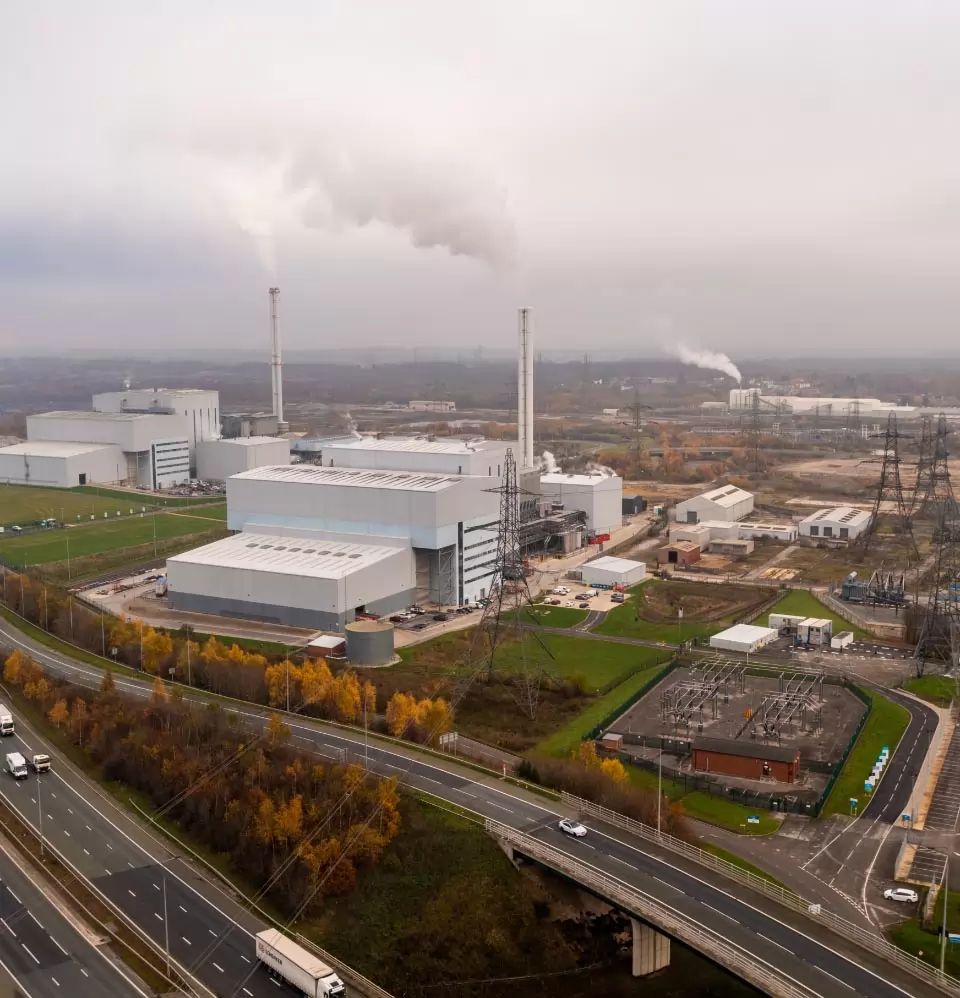
- Waste-to-energy plants
- Processing facilities
- Large maintenance compounds
Industrial work may take place during planned shutdowns, maintenance campaigns or major installation programmes. Scaffolders may need to work around pipework, vessels, steelwork, machinery and other live site interfaces.
Industrial employers may look for:
- Relevant CISRS competence
- Tube-and-fitting experience
- System scaffolding experience where required
- Shutdown or turnaround experience
- Permit-to-work awareness
- Strong site safety records
- Ability to work shifts
- Experience working within multi-discipline teams
Shutdown work is often schedule-driven. Scaffolders must arrive prepared, follow the site process and complete access requirements within agreed work windows.
Offshore scaffolder opportunities
Offshore scaffolders work on offshore energy, marine and related industrial projects. The environment may include restricted work areas, exposed decks, vessel access points and complex lifting arrangements.
Offshore work may involve:
- Platform maintenance
- Offshore wind support activities
- Marine construction
- Vessel access
- Inspection and repair work
- Shutdown campaigns
- Temporary access systems
- Encapsulation and weather protection
Offshore employers may require additional certification alongside scaffolding qualifications. Requirements vary by client and project but can include:
- Offshore medical clearance
- BOSIET or FOET
- CA-EBS training
- MIST
- GWO modules for relevant offshore wind work
- Client-specific site training
- Current working-at-height and rescue training
Candidates should provide accurate details of their offshore certificates, expiry dates, recent project experience and availability.
Why qualifications and competence matter
Scaffolding is safety-critical work. Qualifications provide evidence of training, but employers also need to assess practical competence and relevant experience.
Important factors include:
- Current CISRS status where required
- Relevant training and skills tests
- NVQ or SVQ qualifications where applicable
- Knowledge of tube-and-fitting or system scaffolding
- Working-at-height awareness
- Correct use of fall protection
- Familiarity with site rules and RAMS
- Ability to recognise changing risks
- Clear communication
- Reliable attendance
- Relevant project experience
All workers must use the PPE required by the site. This commonly includes:
- Safety helmet
- Hi-vis clothing
- Safety footwear
- Gloves suitable for the task
- Eye protection where required
- Harness and suitable fall protection when specified
PPE does not replace safe planning or collective fall-prevention measures. Scaffolders must follow the site’s risk assessments, method statements, access controls and rescue arrangements.
Reliability on site
Contractors need scaffolders who can support the programme consistently. This includes:
- Arriving on time
- Maintaining communication with supervisors
- Following instructions
- Completing work to the required standard
- Reporting defects and changing conditions
- Working safely around other trades
- Maintaining tools and equipment
- Completing timesheets and site records accurately
These factors affect access handovers, follow-on trades and shutdown schedules.
Applying for scaffolding work with Alpha Jobs
Alpha Jobs recruits for scaffolding and access roles across the UK. We work with candidates at different stages of their careers, subject to the qualifications and experience required for each assignment.
Candidates should be ready to provide:
- An up-to-date CV or work history
- Current CISRS card details
- Qualification level
- Recent project experience
- Industrial or offshore experience where relevant
- Working-at-height training
- Rescue training where applicable
- Offshore certificates where applicable
- Availability
- Preferred locations
- Right-to-work documentation
You can review available opportunities through the Alpha Jobs search facility or register with Alpha Jobs.
Scaffolding recruitment for employers
Contractors may require a single scaffolder, a complete gang or a wider access team. Requirements can change quickly during a construction programme, maintenance campaign or shutdown.
Alpha Jobs can support requirements for:
- Trainee scaffolders
- CISRS Part 1 scaffolders
- CISRS Part 2 scaffolders
- Advanced scaffolders
- Scaffold supervisors
- Scaffold inspectors
- Industrial scaffolders
- Offshore scaffolders
- Scaffold labourers
- Scaffolding gangs
- Access teams
- Shutdown and maintenance teams
When contacting us, provide:
- Project location
- Required start date
- Expected duration
- Number of workers required
- Scaffolding system or method
- CISRS level required
- Shift pattern
- Industrial, offshore or construction experience needed
- Inspection or supervision requirements
- Site-specific training
- Medical or clearance requirements
- Accommodation and travel arrangements, where applicable
This information helps us match the requirement with suitable candidates and begin the compliance process.

Alpha Jobs scaffolding recruitment
Our scaffolding and access team supplies temporary and permanent labour to contractors nationwide. We support construction, infrastructure, industrial maintenance, energy and shutdown projects.
Our recruitment process includes checks covering:
- Right to work
- Trade qualifications
- Employment history
- References
- Site-specific competence
- Health and safety requirements
We operate an ISO 9001 accredited quality management system and provide recruitment support for both individual placements and larger project teams.
Contact Alpha Jobs
Whether you are looking for your next scaffolding role or need a complete access team for a UK project, Alpha Jobs can discuss the requirement.
For scaffolding job opportunities or employer requirements, call Chloe Lunn on 07496 137337.