

Test Owner
From Foundation to Framework
How to Secure Vetted Groundworkers and Plant Operators Across the UK

Introduction
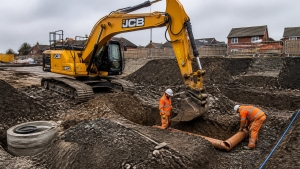
UK civil engineering and groundworks sectors face persistent labour constraints in 2026. Major infrastructure expansions, utility upgrades, and housing frameworks generate sustained demand for skilled trades. Sourcing reliable talent remains a primary challenge for main contractors and specialist subcontractors.
- Acute shortages of ticketed plant operators.
- Rising competition for experienced groundworkers and gangers.
- Increased pressure on project timelines and safety compliance.
We operate as specialist civil engineering recruitment partners, supplying vetted groundworkers, CPCS plant operators, and heavy machinery specialists nationwide. Our rigorous vetting protocols ensure full compliance and seamless site integration.
Current Market Pressures in Civils and Groundworks
Groundworks packages dictate the trajectory of structural and civil engineering projects. Delays at substructure level cascade across subsequent phases, inflating costs and jeopardising contract milestones.
- High volume of active UK civils vacancies.
- Upward pressure on hourly rates for ticketed operatives.
- Administrative burden of verifying certifications and right-to-work documents.
Standard high-street agencies often lack sector-specific insight. Contractors require recruitment partners who understand geotechnical requirements, deep drainage specifications, and heavy plant scheduling. We bridge this gap through targeted candidate sourcing and rapid deployment networks.
Essential Competencies and Operator Tickets

Site safety and productivity depend entirely on operative competency. Regulatory bodies enforce strict verification standards across all earthmoving and civils disciplines.
Mandatory Card Requirements
- CSCS Cards: Verification of core health, safety, and environmental awareness.
- CPCS / NPORS Cards: Certified competence for excavators, dumpers, rollers, and dozers.
- NRSWA (Street Works): Certified operatives for highway excavations and reinstatement.
- Confined Spaces Tickets: Essential for deep drainage and utility connection teams.
Multi-Skilled Operative Demands
- Excavation and trench support execution.
- Deep and shallow drainage installation.
- Service ducting and underground utility laying.
- Sub-base compaction and blinding concrete placement.
We evaluate every candidate against these strict criteria before placement. Our database contains pre-screened professionals ready for immediate site mobilisation.
Foundation and RC Frame Execution

Substructures and reinforced concrete (RC) frames require precision engineering and disciplined labour squads. Substandard workmanship at this stage creates structural failures and costly remediation work.
Core Groundworks Capabilities Supplied
- Strip foundations and piled substructures.
- Basement excavation and earth retention systems.
- RC slab construction and ground beam installation.
- Drainage attenuation tanks and interceptor pits.
We supply complete groundworks gangs and individual specialists who integrate smoothly into existing site hierarchies. Our operatives arrive with full PPE, required tickets, and proven project histories.
Safety, Compliance, and Industry Standards

Civil engineering sites present inherent safety hazards. Employers carry legal obligations to maintain rigorous health and safety standards under CDM regulations. We align our recruitment procedures with internationally recognised benchmarks to protect our clients.
Our Accreditation Standards
- ISO 9001 Accredited: Documented quality management systems governing every stage of our recruitment process.
- Alcumus Approved: Verified standards in health, safety, and risk management.
- TICA Member: Specialized compliance across technical construction disciplines.
We eliminate compliance risks by auditing qualifications, checking references, and managing all administrative vetting before workers arrive on-site.
How We Deliver Compliant Labour Nationwide
We maintain extensive candidate networks across England, Scotland, and Wales. Our recruitment methodology combines digital sourcing tools with deep industry relationships.
- Rapid Sourcing: Instant access to pre-vetted groundworkers and plant operators.
- Transparent Vetting: Complete visibility over card renewals, training records, and work history.
- Scalable Supply: Flexible staffing models for short-term civils packages or long-term infrastructure frameworks.
- Dedicated Account Management: Direct points of contact who understand technical civils terminology and project demands.
Recent Industry Developments
- Infrastructure spending frameworks accelerating across regional hubs.
- Skills bootcamp initiatives scaling up entry-level training pipelines.
- Tightening enforcement on plant operation compliance across major UK sites.
- Growing demand for multi-skilled operatives capable of switching between machine operation and manual civils tasks.
Partner With Us
Securing reliable civils and groundworks labour safeguards project profitability and schedule adherence. We provide the skilled personnel your sites require, backed by certified quality standards.
- Explore our specialized staffing capabilities at Alpha Jobs.
- Contact our sector recruitment desk today to discuss upcoming contract requirements.
Park Hill Matters

Why Europe’s Largest Listed Building is the Perfect Home for Alpha Jobs

Alpha Jobs is headquartered in one of the most recognisable landmarks in the United Kingdom: Park Hill, Sheffield. As Europe’s largest Grade II* listed building, Park Hill is more than just a piece of brutalist architecture; it is a symbol of Sheffield's industrial heritage and its forward-looking regeneration. For a company like Alpha Jobs, which specialises in the recruitment and staffing of skilled labour across the construction, civils, and renewable energy sectors, there is no more fitting location for our head office.
The choice of Park Hill reflects our commitment to the industries we serve. It is a site where history meets modern engineering, and where the complexities of large-scale construction are visible in every concrete beam and refurbished apartment.
A Sheffield Icon: The History of Park Hill
Park Hill was constructed between 1957 and 1961, designed by architects Jack Lynn and Ivor Smith under the supervision of Sheffield’s City Architect, J. L. Womersley. It was a revolutionary project for its time, designed to replace back-to-back housing with "streets in the sky": wide decks that allowed milk floats to deliver directly to front doors.
Architectural Significance
- Scale: It remains the largest Grade II* listed building in Europe.
- Design: A prime example of brutalist architecture, characterized by its exposed concrete frame and modular design.
- Community focus: The original layout was intended to maintain the close-knit community feel of the streets it replaced.
- Protection: Listed in 1998, ensuring the preservation of its unique structure and preventing demolition.
For Alpha Jobs, being situated within a Grade II* listed structure provides a constant reminder of the durability and technical precision required in the building and construction sectors. We work with professionals who understand the intricacies of maintaining and modernizing historic structures while adhering to strict compliance and safety standards.
Regeneration in Action: A Reflection of the Construction Sector
The ongoing transformation of Park Hill is one of the most ambitious regeneration projects in the UK. Led by Urban Splash in partnership with Places for People and contractors like GMI Construction, the site is being meticulously updated for the 21st century.

The Role of Modern Construction
The refurbishment of Park Hill is a masterclass in modern construction techniques. It involves:
- Concrete Repair: Specialist technical work to restore and protect the original brutalist frame.
- Energy Efficiency: Integrating modern insulation and sustainable heating systems into a decades-old structure.
- Mixed-Use Development: Balancing residential living with commercial workspaces like the Alpha Jobs head office.
- Infrastructure Integration: Updating the surrounding civils and groundworks to support a high-density modern community.
This environment perfectly mirrors the projects we staff. Whether it is providing site managers for major urban developments or sourcing thermal insulation engineers for complex industrial retrofits, we understand the labour requirements of high-stakes regeneration.
18+ Years of Specialised Recruitment Expertise
Alpha Jobs brings over 18 years of experience to the recruitment landscape. Our presence in Park Hill is a statement of our longevity and our deep-rooted connection to the technical and specialised sectors. We do not just provide labour; we provide expert professionals who drive results in technical fields.
Our Core Specialisms
- Scaffolding & Access: Sourcing CISRS-certified professionals for complex high-rise and industrial projects.
- Civils & Groundworks: Providing plant operators and groundworkers for essential infrastructure.
- Mechanical & Electrical (M&E): Connecting time-served electricians and testers with major contractors.
- Renewable Energy: Supporting the transition to green energy with solar, wind, and battery storage staffing.
- Interior Fit-Out: Supplying skilled joiners and dryliners for commercial and retail projects.

Why Park Hill Fits Our Industry Verticals
The diversity of the Park Hill project aligns with the breadth of Alpha Jobs’ service offerings. Each phase of the building's life: from its initial construction to its current phased refurbishment: utilises the exact skillsets we provide to our clients daily.
Supporting the Full Project Lifecycle
- Pre-Construction: We provide the civils and groundworks teams that lay the foundation for large-scale developments.
- Structural Phase: Our scaffolding and structural steelwork placements are essential for maintaining safety and progress on site.
- Technical Fit-Out: From industrial pipe lagging to complex electrical testing, we staff the technical experts who make buildings functional.
- Completion & Maintenance: We offer warehousing and logistics staffing to ensure the smooth operation of completed commercial spaces.
Quality, Safety, and Compliance
Operating from a heritage site like Park Hill requires a disciplined approach to management and safety. This is reflected in Alpha Jobs’ own internal standards. We are an ISO 9001 accredited company, demonstrating our commitment to quality management systems and continuous improvement.

Our Accreditations and Memberships
- ISO 9001 Accredited: Internationally recognised standards for quality and service delivery.
- Alcumus Approved: Ensuring high standards of health and safety compliance across our network.
- TICA Member: Expertise in thermal insulation and industrial services staffing.
- Vetted Personnel: Every candidate is rigorously screened to ensure they meet the specific requirements of the technical sectors they serve.
The Strategic Value of Our Sheffield Roots
Sheffield is a city built on steel and technical innovation. By placing our head office in Park Hill, we remain at the heart of South Yorkshire’s industrial landscape while serving a national client base. Park Hill is not just a prestigious address; it is a central hub that allows us to coordinate our teams across our branches in London, Manchester, Nottingham, and Scotland.
Advantages of the Park Hill Location
- Connectivity: Centrally located near Sheffield railway station, providing easy access for clients and candidates.
- Industry Visibility: Proximity to major ongoing construction and infrastructure projects in the North of England.
- Talent Hub: Being part of a vibrant, mixed-use community helps us attract the best internal recruitment talent to serve our clients.
Future-Proofing Technical Recruitment
As Park Hill continues to evolve with new phases of development, Alpha Jobs remains committed to evolving alongside the industries we support. The construction and energy sectors are changing rapidly, with a greater focus on sustainability, digitisation, and specialised technical skills.
Looking Ahead
- Renewable Energy Growth: Increasing our focus on the staffing requirements for the UK’s green energy transition.
- Compliance Excellence: Continuing to lead the way in safety and legal compliance within the recruitment sector.
- Digital Integration: Enhancing our recruitment processes to provide faster, more precise placements for our partners.

Summary
Park Hill is a building that has stood the test of time, proving its resilience and adaptability. At Alpha Jobs, we bring that same mindset to technical recruitment. We understand the value of heritage, the necessity of regeneration, and the critical importance of skilled labour in the construction and technical sectors. Our head office in Sheffield is a reflection of our history, our expertise, and our ongoing commitment to delivering lasting results for businesses in the sectors that build and power our world.
For professional staffing solutions in construction, civils, or renewable energy, contact Alpha Jobs today.
From Shell to Showroom: 5 Interior Fit-Out Trends Driving Demand for Specialist Trades This Year


The High-Speed Evolution of UK Retail Spaces
The UK retail sector is undergoing a fundamental shift. No longer just a point of transaction, the high street is evolving into a collection of "destination spaces." For developers and contractors, this means the transition from a "shell and core" state to a finished showroom is becoming more complex, technically demanding, and time-sensitive.
As brands compete with e-commerce by offering immersive in-store experiences, the demand for specialist trades has surged. Standard refurbishments are being replaced by high-spec, technology-heavy fit-outs that require precision labour.
At Alpha Jobs, we have seen first-hand how these shifting trends impact the site. Meeting these modern standards requires more than just general labour; it requires vetted specialists who understand the pace and precision of 2026 retail rollouts.
1. Experiential Design: Building Destinations, Not Just Stores
Retailers are now prioritising "experience" over floor space. This involves creating hospitality-inspired environments with complex architectural features, curved walls, and bespoke display units.
Impact on Specialist Trades: High-Spec Joiners and Dryliners
The move away from boxy, functional layouts means dryliners and joiners are being tasked with more intricate work.
- Acoustic Drylining: Essential for creating distinct "zones" within a single open-plan store.
- Bespoke Joinery: High demand for carpenters who can install unique, brand-specific fixtures rather than off-the-shelf units.
- Curved Formwork: Increasing use of curved partitioning to guide customer flow.

2. Embedded Tech: The Rise of the 'Smart Store'
Technology is no longer an afterthought in retail fit-outs; it is embedded into the fabric of the building. From interactive digital signage to IoT-driven inventory tracking and smart lighting that adjusts based on footfall, the modern store is a high-tech hub.
Impact on Specialist Trades: Electrical and Data Specialists
The reliance on smart systems has transformed the role of the electrical contractor.
- Data Cabling: Massive increase in Cat6/7 cabling requirements for high-capacity digital displays.
- Smart Lighting Systems: Installation of PoE (Power over Ethernet) lighting and automated control systems.
- Integrated Security: Seamless integration of biometric access and advanced surveillance during the initial fit-out phase.

3. Circularity and Sustainability: Materials with a Mission
Sustainability has moved from a "nice-to-have" to a baseline requirement for UK retail fit-outs. Brands are now measured on their carbon footprint, leading to a demand for "circular" construction methods where materials are reused, repurposed, or sourced with minimal environmental impact.
- Low-VOC Materials: Widespread use of non-toxic paints and adhesives.
- Sustainable Timber: Preference for FSC-certified wood and rapidly renewable materials like cork and bamboo.
- Waste Reduction: Contractors are now required to provide detailed waste management plans, prioritising deconstruction over demolition during strip-outs.
4. Modular Agility: The Shift to Flexible Layouts
The pace of retail means stores must be able to change their layout for seasonal campaigns or pop-up events without a full refit. This has led to the rise of modular construction within the interior fit-out sector.
Impact on Specialist Trades: Ceiling Fixers and Partition Experts
The demand for flexibility requires trades who can install reconfigurable systems.
- Demountable Partitions: Glass and acoustic partitions that can be moved without damaging the floor or ceiling.
- Modular Ceiling Grids: Systems that allow for the easy relocation of lighting and ventilation units.
- Raised Access Flooring: Enabling quick access to power and data lines when store layouts are reconfigured.
5. Multi-Sensory Environments: The Final Polish
The final 10% of a fit-out determines the customer's perception of the brand. In 2026, this involves a "multi-sensory" approach where texture, acoustics, and lighting work together to create a specific mood.
Impact on Specialist Trades: Commercial Decorators
High-end finishes require specialist commercial decorators who can work with varied materials.
- Texture Applications: Moving beyond flat paint to Venetian plaster, clay finishes, and fabric wallcoverings.
- Protective Coatings: High-durability finishes for high-traffic retail environments.
- Acoustic Spraying: Application of specialist acoustic finishes to exposed soffits to manage noise levels.

Why Quality Labour is the Non-Negotiable Factor
The complexity of these trends means there is no room for error. A delay in the electrical fit-out can push back the entire project, resulting in missed opening dates and lost revenue for the retailer.
Finding vetted, reliable labour is the primary challenge for project managers in the current market. Alpha Jobs addresses this by providing:
- Vetted Professionals: All trades are thoroughly checked for qualifications and experience.
- Industry Accreditations: As an ISO 9001 and Alcumus-approved company, we maintain the highest standards of safety and compliance.
- Rapid Mobilisation: We understand the fast-paced nature of retail rollouts and can provide the necessary headcount at short notice.
Alpha Jobs: Your Partner in Retail Excellence
With over 18 years of experience, Alpha Jobs connects businesses in the construction and interior fit-out sectors with the highly skilled talent required for technical projects. Whether you need a team of specialist joiners for a luxury showroom or electrical testers for a nationwide rollout, we provide precise, reliable placements.

Our Specialised Services Include:
- Interior Fit-Out: Drylining, ceiling fixing, and partitioning.
- Building & Construction: Groundworks and structural work for new retail shells.
- Electrical Work: Full M&E solutions including smart technology integration.
- Commercial Decorating: High-end finishing for brand-specific environments.
For more information on how we can support your next retail fit-out project, visit www.alphajobs.net.
Red Card vs Blue Card

What Every UK Contractor Needs to Know About CPCS Plant Operators

Maintaining site safety and regulatory compliance is a primary concern for every UK contractor. When it comes to operating heavy machinery: from 360-degree excavators to telehandlers: the credentials of your workforce are the first line of defence against accidents and legal liability.
The Construction Plant Competence Scheme (CPCS) is the most widely recognised card scheme for plant operators in the UK. However, the distinction between a "Red Card" and a "Blue Card" is frequently misunderstood by hiring managers and site supervisors. Choosing the wrong operator for a specific task can lead to project delays, insurance complications, and safety breaches.
The Foundation of Plant Competence
The CPCS provides a registration card to individuals who can demonstrate their ability and knowledge in plant operations. It ensures that every operator on a site has undergone a standardised assessment. Within this framework, the colour of the card indicates the operator’s level of experience and qualification.
Defining the CPCS Red Card: Trained Operator
The Red CPCS card is an entry-level credential. It identifies an individual as a Trained Operator.
- Status: The holder has passed the basic requirements to begin operating plant but is still gaining the necessary site experience to be considered "fully competent."
- Requirements: To obtain this card, an operator must pass the CITB Health, Safety and Environment (HS&E) test, followed by the CPCS Theory and Practical tests for their specific category.
- Validity: The card is valid for two years.
- Purpose: It serves as a temporary bridge, allowing the operator to work on-site while they complete a relevant NVQ (National Vocational Qualification).
Defining the CPCS Blue Card: Competent Operator
The Blue CPCS card is the industry benchmark for experienced plant professionals. It identifies an individual as a Competent Operator.
- Status: The holder is fully qualified and has demonstrated their skills in a live working environment.
- Requirements: In addition to the CPCS tests, the operator must have completed a relevant Level 2 NVQ in plant operations.
- Validity: The card is valid for five years and is renewable.
- Purpose: This is the qualification most principal contractors and major site clients expect to see for unsupervised plant work.

Key Differences: Red vs Blue at a Glance
Understanding the technical differences between the two cards is essential for vetted construction workers nationwide sourcing.
1. Training vs. Experience
A Red card holder has proven they can operate the machine in a controlled test environment. However, they may not have the years of "seat time" required to handle complex site scenarios. A Blue card holder has undergone an independent assessment (the NVQ) that verifies their competence over a prolonged period in real-world conditions.
2. Supervision Requirements
Under the Health and Safety at Work Act, employers must ensure all workers are competent. While a Red card holder is technically "trained," many tier-one contractors classify them as "under supervision." This means they often require closer management compared to a Blue card holder, who is deemed capable of working independently.
3. Renewal and Longevity
The Red card is essentially non-renewable. It is designed to be upgraded. If an operator fails to complete their NVQ within the two-year validity period, the card expires, and they may lose their right to operate on many major sites. Conversely, the Blue card is renewable every five years upon completion of a CPCS Renewal Test.
Why the Distinction Matters for UK Contractors
For businesses acting as civil engineering recruitment specialists, the card colour directly impacts the risk profile of a project.
Compliance and Site Access
Most major UK infrastructure and commercial projects (such as those managed by Tier 1 contractors) mandate CPCS cards as a condition of entry. Often, site rules will stipulate that only Blue card holders can operate certain high-risk plant categories, such as cranes or large excavators, without constant supervision.
Insurance and Liability
In the event of an on-site incident, insurance providers will scrutinise the credentials of the operator involved. If a Red card holder was performing a task that required the expertise of a Competent (Blue) operator: and adequate supervision was not provided: the contractor’s liability could increase significantly.
Project Efficiency
Experienced Blue card operators typically work faster and with greater precision. They understand site logistics and safety protocols instinctively. While Red card holders are necessary for the industry’s future talent pipeline, relying on them for critical-path tasks can sometimes lead to slower progress.

How Contractors Can Avoid Getting "Caught Out"
Sourcing reliable plant operators requires more than just checking for a valid card. Here is how we recommend contractors manage their construction labour supply uk.
Verify via the Online Portal
Never take a physical card at face value. Use the CITB/NOCN online card checker to verify that the card is genuine, still valid, and specifically endorsed for the category of plant the operator is intended to use.
Check Expiry Dates
For Red card holders, check the expiry date carefully. If it is approaching the two-year limit, ask for evidence that they are enrolled in an NVQ. Hiring an operator whose card expires halfway through a six-month contract creates an immediate staffing gap.
Match the Category to the Task
CPCS cards are category-specific. An operator might hold a Blue card for a 360-degree excavator but only a Red card (or no endorsement at all) for an Articulated Dumper. Ensure the operator is competent for the specific machine they will be driving.
Evaluate Supervision Capacity
If you choose to hire Red card holders: perhaps due to a shortage of Blue card operators or for lower-risk tasks: ensure your site management team has the capacity to provide the required oversight. This maintains safety standards and assists the operator in gaining the experience needed for their NVQ upgrade.
Partnering with a Specialised Recruitment Agency
Navigating the complexities of CPCS certifications, NVQs, and site compliance is a full-time job. This is where partnering with site labour hire solutions becomes invaluable.
At Alpha Jobs, we understand that "labour" is not a generic commodity. We specialise in connecting technical professionals with employers who require high-level skills in demanding environments. Our vetting process is rigorous, ensuring that every operator we supply meets the specific safety and competence standards of your project.

Quality Assurance and Accreditation
We don't just talk about standards; we uphold them through formal accreditation. Our commitment to quality is evidenced by our status as an ISO 9001 accredited company. This ensures that our internal processes: from vetting operators to managing placements: are consistently audited for excellence.
Furthermore, as an Alcumus approved and TICA member organisation, Alpha Jobs maintains the highest levels of safety and compliance across all sectors, including scaffolding, groundworks, and renewable energy. When you source construction trades recruitment uk through us, you are getting more than just a worker; you are getting a verified asset for your site.
Conclusion
The difference between a Red and Blue CPCS card is the difference between a "trained" worker and a "competent" professional. For UK contractors, understanding this distinction is vital for maintaining safety, meeting client expectations, and ensuring project success.
Whether you need a single plant operator for a short-term project or a full team for a long-term infrastructure contract, Alpha Jobs provides precise, reliable placements that meet your specific needs. By focusing on vetted, high-skilled talent, we help you mitigate risk and deliver lasting results.
Looking for vetted plant operators for your next project? Contact Alpha Jobs today to discuss our bespoke labour hire solutions.
7 Mistakes You’re Making with Site Labour Hire Solutions (and How to Fix Them)
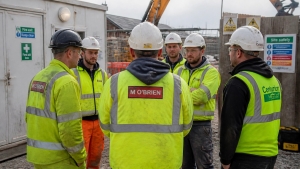

Pulling up to a site and realising you’re short-staffed is a headache no project manager needs. But what’s worse is having a full crew that isn't up to the job. We’ve all seen it: workers arriving without the right tickets, poor attitudes, or a lack of basic safety knowledge that puts the whole program at risk.
In the UK construction industry, the pressure to deliver on time and under budget often leads to cutting corners in recruitment. Whether you’re looking for vetted construction workers nationwide or civil engineering recruitment specialists, the "quick fix" often becomes an expensive mistake.
Here are the seven most common mistakes we see businesses make with their site labour hire solutions, and more importantly, how you can fix them to keep your projects moving.
1. Hiring too quickly without proper vetting
When you need ten groundworkers by Monday morning, it’s tempting to take anyone with a CSCS card. This "panic hiring" is the single biggest cause of site delays and safety incidents.
The Risk
- Workers who lack the specific skills for the task.
- Increased churn as unsuitable staff are let go within days.
- Security risks from unverified individuals on-site.
The Fix
Don't settle for "available" over "capable". Ensure your construction labour supply UK partner has a robust vetting process. This should include face-to-face (or video) interviews, manual verification of trade tickets, and at least two recent, relevant references. At Alpha Jobs, we don't just check if a worker has a card; we check if they actually know how to use the tools they’re being hired for.
2. Ignoring compliance and safety credentials
In our industry, compliance isn't just paperwork; it’s a lifeline. Many firms assume their agency has done the legwork, only to find out during an audit: or worse, an accident: that the workers aren't fully compliant.
The Risk
- Heavy fines and legal liability.
- Project shutdowns due to safety breaches.
- Reputational damage that loses you future contracts.
The Fix
Work only with suppliers who are transparent about their compliance standards. Look for partners who are Alcumus approved and hold relevant safety accreditations.
3. Relying on agencies that don’t specialise in construction trades
Using a high-street agency that recruits for retail, cleaning, and "bits of construction" is a recipe for disaster. If your recruiter doesn’t know the difference between a 360 excavator driver and a dumper driver, they can’t vet your candidates properly.
The Risk
- Mismatched skill sets.
- Recruiters who don't understand site-specific hazards.
- Poor communication regarding technical requirements.
The Fix
Partner with construction trades recruitment UK experts. Specialists understand the nuances of sectors like scaffolding, civils, groundworks, and electrical work. They speak the language of the site and know exactly what to look for in a CV.

4. Not checking ISO or accreditation status
Think all recruitment firms operate to the same standard? Think again. Quality management is what separates a "man with a van" operation from a professional staffing solution.
The Risk
- Inconsistent service levels.
- Errors in payroll and documentation.
- Lack of accountability when things go wrong.
The Fix
Verify that your supplier is ISO 9001 accredited. This certification proves they have consistent, audited processes for managing quality and customer service. It shows they are committed to continuous improvement: something that is vital when managing large-scale labour requirements.
5. Using temporary labour as a last-minute scramble
Many contractors treat labour hire like an emergency service. While we can often fill gaps at short notice, treating recruitment as a reactive task rather than a proactive strategy leads to higher costs and lower quality.
The Risk
- Paying "premium" rates for last-minute bookings.
- Getting the "bottom of the barrel" in terms of available talent.
- Increased stress on your existing site team.
The Fix
Plan your labour requirements alongside your project programme. If you know you’re hitting a peak in four weeks, talk to your recruitment partner now. This gives them time to pipeline the best vetted construction workers and ensure they are ready to go on day one.
6. Overlooking industry-specific experience
Just because someone has worked on a building site doesn't mean they are right for a renewable energy installation or an interior fit-out project. Every sector has its own safety protocols and technical demands.
The Risk
- Inefficiency and slow progress.
- Risk of damage to specialised equipment.
- Poor quality of finish in specialist sectors like insulation or electrical work.
The Fix
Be specific about the environment. If you need someone for a renewable energy project or thermal insulation, ensure your recruiter has a track record in that niche. For example, Alpha Jobs is a proud TICA member, meaning we have deep roots in the thermal insulation industry and understand its specific staffing needs.
7. Failing to build a relationship with a single trusted partner
"Playing the field" with five different agencies might seem like it gives you more options, but it actually dilutes the quality of service you receive.
The Risk
- Conflicting instructions leading to confusion.
- No single point of accountability.
- Agencies competing for the same (often mediocre) candidates.
The Fix
Build a long-term partnership with a single, reliable recruitment firm. When a partner knows your sites, your managers, and your standards, they become an extension of your team. They can anticipate your needs and provide a much higher calibre of service.

The Alpha Jobs Difference: Why We Are the Fix
At Alpha Jobs, we don’t just provide "bodies on-site". We provide tailored, professional staffing solutions backed by over 18 years of industry experience. We understand the challenges of UK construction because we’ve been in the middle of it for nearly two decades.
Our Credentials
- ISO 9001 Accredited: For guaranteed quality management.
- Alcumus Approved: Demonstrating our commitment to health and safety.
- TICA Member: Specialist expertise in thermal insulation.
- Nationwide Reach: Providing vetted construction workers nationwide.
Sectors We Cover
We provide expert professionals across a wide range of technical and specialised sectors:
- Scaffolding & Civils
- Groundworks & Building
- Electrical & Renewable Energy
- Interior Fit-out & Insulation
- Events, Warehousing & Logistics
Ready to fix your site labour hire?
Stop dealing with the fallout of poor recruitment choices. Whether you need a single specialist or a full crew for a multi-year project, we have the network and the expertise to deliver.
Contact Alpha Jobs Today to discuss your upcoming project requirements and see how a professional recruitment partnership can drive your site productivity.
Why Political Uncertainty Makes Construction Skills Shortages Worse (And What To Do About It)


The sudden resignation of Keir Starmer on 22 June 2026 has sent shockwaves through the UK’s economic landscape. As the political drumbeat shifts toward a potential leadership transition: with figures like Andy Burnham frequently cited as successors: the construction and industrial sectors are facing a familiar but frustrating foe: political uncertainty.
For construction firms, political shifts are rarely just about policy; they are about pipeline. When leadership changes, projects are paused, budgets are scrutinised, and the "wait and see" approach becomes the default setting. However, this hesitation creates a dangerous ripple effect that significantly worsens the existing skills shortage.
The "Wait and See" Trap: How Political Transitions Freeze Progress
Political transitions at the highest level of government often lead to a temporary vacuum in decision-making. For the construction industry, this translates to immediate operational friction.
Delayed Project Approvals
Major infrastructure and civil engineering projects often rely on government backing or legislative clarity. When a Prime Minister resigns, the ministerial reshuffles that follow can lead to weeks or months of stalled signatures. Construction firms, unsure of whether a new administration will honour current commitments or pivot to new priorities, often choose to delay the start of new phases.
Stalled Private Investment
Political instability breeds market volatility. Investors in large-scale residential or commercial developments often pull back until they have a clearer picture of the new leadership's stance on planning laws, tax incentives, and carbon-reduction mandates.
Hiring Freezes
When the project pipeline is uncertain, the first thing firms do is stop hiring. Permanent roles are left vacant, and long-term workforce planning is discarded in favour of short-term survival. This lack of consistent demand prevents the industry from absorbing new talent and maintaining a steady flow of vetted construction workers nationwide.
Why Uncertainty Worsens the Skills Gap
The UK construction industry was already battling an acute talent shortage before the events of June 2026. Political uncertainty acts as a force multiplier for these existing problems.

Training and Apprenticeship Slumps
Investment in training is the first casualty of a "wait and see" period. When firms are unsure of their workload for the next six months, they are less likely to commit to multi-year apprenticeship programmes. This creates a "talent cliff" two or three years down the line, where the lack of current training results in a total absence of qualified mid-level tradespeople in the future.
The "Rubber Band" Effect: Sudden Demand Spikes
Once a political transition is complete: for instance, if Andy Burnham or another successor provides a clear roadmap: the industry typically experiences a "rubber band" effect. Projects that were paused for three months all suddenly receive the green light at once.
This leads to:
- Extreme competition for a limited pool of site labour hire solutions.
- Rapidly escalating labour costs as firms bid against each other for the same crews.
- Project delays because, while the funding is now available, the people are not.
- Increased pressure on civil engineering recruitment specialists to find niche roles like Articulated Dumper Drivers at short notice.
Workforce Migration
Skilled workers crave stability. When the construction sector looks volatile due to political headlines, experienced professionals often look to more stable sectors or even overseas. This permanent loss of talent makes it even harder for the industry to recover once the political dust settles.
Navigating the Chaos: Strategic Solutions for Construction Firms
In a landscape defined by political shifts, construction businesses must move away from reactive hiring and toward a more resilient model.

Flexible Labour Models
Rather than relying solely on permanent headcount, savvy firms are increasingly using construction labour supply UK services to bridge the gap. This allows companies to scale up rapidly when projects are green-lit, without the long-term overhead and risk associated with permanent hiring during a transition period.
Strengthening the Supply Chain
A recruitment partner is more than just a source of CVs; they are a buffer against market volatility. Firms should partner with recruiters who have a deep, pre-vetted bench of talent ready to deploy. This ensures that when the "rubber band" effect happens, you aren't at the back of the queue.
Focus on Specialised Sectors
Political shifts often bring a change in focus, such as a renewed push for renewable energy or social housing. Maintaining access to specialised trades: such as Thermal Insulation Engineers or Electricians: is essential for firms looking to pivot as the political landscape evolves.
Alpha Jobs: Your Partner in Volatile Times
At Alpha Jobs, we have spent over 18 years navigating the ups and downs of the UK political and economic landscape. We understand that while governments change, your project deadlines do not.
Vetted Talent, Ready to Deploy
We specialise in providing high-quality, reliable labour for the most demanding sectors. Our rigorous vetting process means our workers are not just bodies on site; they are skilled professionals who contribute to your project's success from day one.
Our expertise covers:
- Scaffolding & Civils: Expert groundworkers and operatives for complex infrastructure.
- Electrical & Building: Highly skilled Electricians and Joiners.
- Renewable Energy: Supporting the UK's transition to green power with specialised installers.
- Interior Fit-out & Insulation: Working with TICA member standards for thermal insulation.
Compliance and Quality
In times of uncertainty, the last thing you need is a compliance headache. Alpha Jobs is an ISO 9001 accredited and Alcumus approved company. We maintain the highest standards of safety and regulatory compliance, giving you peace of mind even when the political outlook is cloudy.

Summary of Best Practices
- Anticipate the Spike: Don't wait for the political situation to resolve before talking to your recruitment partner. The best talent is booked weeks in advance.
- Utilise Temporary Labour: Use construction trades recruitment UK services to maintain flexibility during periods of high uncertainty.
- Verify Credentials: Ensure your labour provider has the necessary accreditations (ISO 9001, TICA) to avoid project delays due to compliance failures.
- Plan for Key Roles: Identify critical path roles: like Site Managers: early to ensure continuity.
Conclusion
The resignation of Keir Starmer and the ensuing political transition may create temporary hurdles, but they do not have to derail your project pipeline. By understanding how political uncertainty drives the skills shortage, construction firms can take proactive steps to secure their workforce.
Whether you need a single operative or a full site team, Alpha Jobs provides the stability and expertise needed to navigate these challenging times. We connect expert professionals with the employers who need them, ensuring that the UK's construction industry keeps moving forward, regardless of who is in Number 10.
Football's Coming Home (To the Economy):

England’s 4-2 Win & the £7.6bn Boost

England’s 2026 World Cup campaign has kicked off with a result that has done more than just silence the critics: it has sent the UK economy into a full-blown frenzy. The 4-2 victory over Croatia in Dallas wasn't just a win on the pitch; it was the starting whistle for a projected £7.6 billion injection into the British economy.
As Harry Kane equalled Gary Lineker’s record and the second-half goals from Jude Bellingham and Marcus Rashford sealed the deal, the impact was felt immediately from the pubs of Manchester to the logistics hubs of the Midlands.
At Alpha Jobs, we see the ripple effects of these major events across every sector we serve. From increased demand in warehousing to the surge in event staffing, a winning England team is a massive driver for the industrial and commercial sectors.
The Dallas Masterclass: Match Highlights
The atmosphere at the AT&T Stadium in Dallas was electric, and the performance lived up to the hype. While the time difference meant a late night for fans back home, the result ensured the morning after was filled with more than just caffeine.
Key Match Stats:
- Final Score: England 4 - 2 Croatia
- Harry Kane: Two goals, equalling Gary Lineker’s long-standing international record.
- Second-Half Surge: Goals from Jude Bellingham and Marcus Rashford turned a tense 2-2 draw into a dominant victory.
- Possession: England maintained 58% possession, showcasing a clinical tactical approach.
Breaking Down the £7.6 Billion Economic Boost
While the Three Lions were busy on the grass, the UK public was busy at the bar and the checkout. Economic analysts are now projecting a total tournament boost of £7.6 billion, provided England’s momentum continues.
Where the Money is Going:
- Hospitality & Fan Zones: £4.2 billion is expected to be spent on food and drink alone.
- Retail & Merchandise: Sales of shirts, flags, and giant TV screens have spiked by an estimated 25% compared to the previous quarter.
- Supermarket Spend: Huge demand for home-hosting supplies as fans opt for "Big Game" BBQ setups.
- Travel & Transport: Increased domestic travel to fan zones and city centres during match days.

The Logistics of Celebration: Keeping the Pints Flowing
The £4.2 billion spent on food and drink doesn't just appear out of thin air. Behind every pint poured in a fan zone is a massive logistical operation that relies on the sectors we support.
Pressure on Warehousing and Logistics:
- Supply Chain Strain: The sudden spike in demand for beverages and snacks requires a highly responsive warehousing and logistics network.
- Staffing Peaks: Distribution centres across the UK are currently operating at maximum capacity, requiring skilled operators to manage the throughput.
- Rapid Turnaround: With matches happening in quick succession, the "just-in-time" delivery model is being put to the ultimate test.
Sector Spotlight: Events and Hospitality Staffing
The 2026 World Cup has seen the rise of mega-fan zones across the UK. These venues require significant infrastructure and staffing to operate safely and efficiently.
Infrastructure Needs:
- Temporary Structures: From scaffolding for large screens to temporary stages, the building and construction skills required are immense.
- Specialised Electrical Work: Powering high-definition screens and outdoor catering units requires certified electrical contractors.
- Event Management: On-the-ground staffing to manage crowds and ensure health and safety compliance.

The "Productivity Flip Side": The £2.4bn Sickie Factor
It’s not all rising graphs and celebratory pints. There is a tangible cost to the "feel-good factor," particularly when matches take place in North American time zones.
The Cost of Late-Night Kick-offs:
- The "Sickie" Surge: Analysts estimate a £2.4 billion hit to UK productivity due to hangovers and "World Cup flu" the morning after big wins.
- Site Safety Concerns: In industries like civils and groundworks, fatigue is a genuine safety risk.
- Managing the Labour Gap: Many construction and industrial firms are finding themselves short-staffed as workers take unscheduled leave.
How to Manage Productivity During the Tournament:
- Flexible Working: Allowing later start times for night-game recovery.
- Planned Leave: Encouraging staff to book time off in advance rather than calling in sick.
- Robust Staffing Partnerships: Working with a recruitment partner like Alpha Jobs to fill temporary labour gaps quickly.
Building Through the Buzz: Impact on Construction
You might not think a football match in Texas affects a housing development in Manchester, but the connection is real. The construction industry often feels the pinch during major tournaments.
Why Construction Sites Feel the Impact:
- Labour Shortages: A high percentage of the construction workforce are avid football fans, leading to higher-than-average absenteeism.
- Supply Chain Delays: Logistics companies prioritising consumer goods can occasionally lead to minor delays in building material deliveries.
- Heightened Morale: On the plus side, a winning national team boosts site morale, which can lead to higher output during working hours.

How Alpha Jobs Supports the UK Economy
As an ISO 9001 accredited and Alcumus approved company, we are uniquely positioned to help businesses navigate the staffing challenges that come with a £7.6 billion economic boom.
Our Expert Solutions:
- Skilled Labour Provision: We provide experts in scaffolding, civils, and electrical work, ensuring your projects don't stall during the World Cup.
- Responsive Logistics Staffing: Helping warehousing operations meet the surge in consumer demand.
- Compliance-First Approach: Our TICA membership and quality certifications mean you get reliable talent that upholds the highest safety standards, even during peak tournament madness.
The Road Ahead: More Wins, More Growth?
If England continues this form, the economic forecast only gets brighter. A deep run into the knockout stages could see that £7.6 billion figure rise even higher as public confidence and spending soar.
For businesses in the industrial and technical sectors, the key is preparation. Whether you need site managers to keep projects on track or warehousing staff to manage the supply chain, Alpha Jobs is here to ensure your business wins as big as Gareth Southgate’s men.
Final Match Takeaways:
- England are top of the group.
- Harry Kane is on track for the Golden Boot.
- The UK economy is reaping the rewards of a national "feel-good" surge.
Need to secure your workforce during the World Cup peak? Contact Alpha Jobs today for specialised recruitment and staffing solutions.
Why the Green Energy Surge is Changing Construction Recruitment


The UK construction landscape is undergoing a structural shift. As of 2026, the transition toward net-zero targets is no longer a peripheral concern; it is the primary driver of demand for skilled labour. The surge in renewable energy projects: including offshore wind, solar farms, and national grid upgrades: has fundamentally altered how we approach construction recruitment.
Traditional roles are evolving, and the competition for specialised talent has reached an all-time high. At Alpha Jobs, we are seeing first-hand how the "green surge" is creating both opportunities and significant logistical challenges for contractors across the country.
The 2026 Skills Gap: A 200,000 Worker Shortfall
Current industry data indicates that the UK is facing a green skills gap of approximately 200,000 workers. This shortage is not merely a projection; it is a live constraint on the pace of renewable project delivery.
- Demand vs. Supply: Green skill demand is growing twice as fast as the available talent supply.
- Infrastructure Requirements: Offshore wind alone requires an additional 41,000 jobs by the end of 2026 to stay on track with government targets.
- Workforce Readiness: Only 26% of the current European construction workforce possesses recognised green competencies.
- Retirement Risks: Approximately 20% of the existing technical workforce in energy-adjacent sectors is set to retire by 2030, further tightening the talent pool.
How Renewable Projects are Reshaping the Trades
The surge is not limited to a single sector. It spans the entire construction and engineering spectrum, requiring a coordinated recruitment approach across multiple disciplines.
1. Civil Engineering and Groundworks
Renewable energy starts with the ground. Large-scale wind and solar projects require extensive civil works, including:
- Reinforced concrete foundations for turbines.
- Access tracks and drainage systems for remote sites.
- Trenching for high-voltage cabling.
- Substation construction for grid connectivity.
2. Electrical and Technical Specialists
The demand for qualified electricians has shifted toward those with specific renewable certifications. We are seeing a high volume of requirements for:
- Solar PV installers for commercial and industrial (C&I) projects.
- Electric Vehicle (EV) charging infrastructure technicians.
- Battery Energy Storage System (BESS) specialists.
- High-voltage (HV) jointing and terminating experts.
3. Insulation and Retrofitting
Energy efficiency is a cornerstone of the green transition. This has placed immense pressure on the thermal insulation sector.
- Large-scale retrofit programmes for residential and commercial buildings.
- Industrial insulation for new energy-from-waste and hydrogen facilities.
- The need for TICA-compliant (Thermal Insulation Contractors Association) professionals to ensure safety and thermal performance standards.

Recruitment Strategy: From "Buying" to "Building"
In previous years, construction firms could "buy" the skills they needed by offering higher day rates. In 2026, the scarcity of talent means this approach is no longer sustainable. Recruitment has moved toward a more integrated model.
Identifying Transferable Skills
Many skills from traditional sectors are 90% transferable to green energy. We focus on transitioning workers from:
- Oil and Gas: Transferring pipefitters and welders to hydrogen and carbon capture projects.
- Conventional Building: Moving roofers into solar PV installation roles.
- Civil Engineering: Utilising heavy plant operators for wind farm infrastructure.
Investing in Training and Upskilling
Because fully "green-ready" workers are rare, the industry is shifting its focus to:
- Providing site-specific training for traditional trades.
- Utilising green apprenticeships to build a long-term talent pipeline.
- Partnering with recruitment agencies that understand the specific certification requirements for renewable sites.
The Competition for Talent
Construction firms are no longer just competing with each other. They are now in direct competition with:
- Utility Companies: Seeking the same electrical and civil engineering talent for grid upgrades.
- Global Energy Developers: Offering long-term contracts and high-value benefit packages.
- Manufacturing: Needing technicians for the production of renewable components.
This multi-sector competition has led to increased wage pressure and a higher reliance on flexible, temporary labour to fill critical gaps during peak project phases.

Why Compliance is Non-Negotiable in Green Construction
Green energy projects are high-stakes. They involve complex engineering, high-voltage environments, and stringent environmental regulations. This makes compliance a top priority for any labour supplier.
- ISO 9001 Accreditation: Ensures that recruitment processes are standardised and quality-controlled.
- Safety Standards: Working on wind farms or industrial solar sites requires specialised health and safety training (e.g., GWO for offshore work).
- Alcumus Approval: Demonstrates a commitment to workplace safety and risk management.
Alpha Jobs maintains ISO 9001:2015 certification, ensuring that every placement we make meets the rigorous standards required by the renewable sector.
How Alpha Jobs Supports the Transition
We have spent over 18 years refining our recruitment processes to meet the evolving needs of the UK industry. Our support for the green energy surge is built on three pillars:
1. Diverse Sector Expertise
We operate across the entire lifecycle of a renewable project. From the initial groundworks and civils to the final electrical installation and thermal insulation, we provide a single point of contact for all labour requirements.
2. Extensive Talent Network
We maintain a vast database of expert professionals across:
3. Reliability and Speed
In the fast-paced renewable sector, project delays are costly. We provide reliable placements that allow projects to stay on schedule, even when local labour markets are saturated.

Summary of the Changing Landscape
The green energy surge has permanently changed the rules of construction recruitment. To succeed in this environment, businesses must:
- Plan Ahead: Anticipate labour needs months in advance of project starts.
- Focus on Compliance: Only work with accredited suppliers who understand the risks of renewable sites.
- Broaden the Search: Look for transferable skills rather than waiting for "perfect" candidates.
- Partner Strategically: Align with recruitment experts like Alpha Jobs who have the network and experience to navigate the skills gap.
The transition to a low-carbon economy is the greatest challenge: and opportunity: facing the UK construction industry today. By adapting recruitment strategies now, firms can ensure they have the human capital required to build the infrastructure of the future.
For more information on how we can support your next renewable energy project, visit www.alphajobs.net
Logistics at the Heart of the North
Why LS15 Leeds is the Strategic Hub for Vetted Warehouse Talent

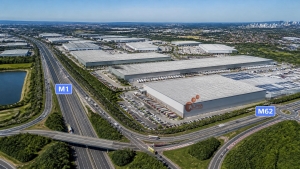
Leeds has long been established as a cornerstone of the UK’s industrial economy. However, the LS15 postcode area has emerged as a particularly critical "strategic value node" within the Northern Powerhouse. Situated at the intersection of the M1, M62, and A1(M), LS15 provides the geographical infrastructure necessary for high-velocity supply chains.
At Alpha Jobs, we understand that a strategic location is only as effective as the people operating within it. For over 18 years, we have provided the specialised labour required to keep these hubs moving. Whether you are seeking vetted construction workers nationwide for warehouse expansions or reliable FLT and Reach Truck operators for daily fulfilment, our expertise ensures your operations remain seamless.
The Strategic Geography of LS15: The M1–M62 Corridor
The LS15 area in east Leeds is more than just a convenient location; it is a national logistics gateway. Its proximity to major motorways allows businesses to reach a significant percentage of the UK population within a single HGV driving window.
Key Infrastructure Links
- M1 Motorway: Direct access to London and the South, as well as the manufacturing heartlands of the Midlands.
- M62 Motorway: The primary east-west artery, connecting the ports of Hull and Liverpool through the Leeds City Region.
- A1(M): Essential for northern distribution towards Newcastle and Scotland.
This "Golden Triangle of the North" makes LS15 the preferred choice for 3PLs (Third-Party Logistics), e-commerce giants, and retail distribution centres. Being located here reduces lead times, cuts transportation costs, and improves overall service levels for businesses operating at a national scale.

Why Vetted Talent is Non-Negotiable in 2026
As we move through 2026, the logistics sector has shifted from "low-skill" manual handling to high-reliability, tech-driven operations. A modern warehouse is a complex environment involving automated systems, high-bay racking, and strict safety protocols.
The Role of Specialised Operators
We specialise in the recruitment and supply of highly skilled operatives, including:
- Reach Truck Operators: Essential for high-density storage environments where precision is paramount.
- FLT (Counterbalance) Drivers: The workhorses of the loading bay, requiring speed and safety consciousness.
- Warehouse Operatives: Multi-skilled professionals capable of handling WMS (Warehouse Management Systems), voice-picking, and digital inventory tracking.
In a high-throughput hub like LS15, "unvetted" labour is a liability. A single error in a cross-docking facility can lead to massive delays and financial loss. This is why our focus remains on providing vetted construction workers nationwide and industrial staff who have undergone rigorous screening.
Alpha Jobs: 18 Years of Multi-Sector Excellence
While we are a leading provider of logistics staff, our roots are deeply embedded in the broader industrial and construction sectors. We apply the same rigorous standards found in construction trades recruitment uk to our warehousing and logistics placements.
Our Recruitment Reach
Our capabilities extend beyond the warehouse floor. We are recognised as:
- Civil engineering recruitment specialists, providing the foundational talent for new infrastructure projects.
- Providers of comprehensive site labour hire solutions for large-scale industrial developments.
- A trusted partner for construction labour supply uk, ensuring that the facilities housing your logistics operations are built and maintained by professionals.
By leveraging our 18 years of experience, we provide a holistic recruitment service. We don't just find "a person for a job"; we find the right professional for a specific technical environment.

Standards of Quality, Safety, and Compliance
In the recruitment industry, accreditation is the benchmark of reliability. Alpha Jobs holds several key certifications that guarantee our clients receive the highest standard of service.
Our Accreditations
- ISO 9001 Accredited: Demonstrating our commitment to quality management and continuous improvement in service delivery.
- Alcumus Approved: Reflecting our adherence to stringent health and safety standards.
- TICA Member: Highlighting our expertise in specialist sectors like thermal insulation, which often overlaps with industrial warehouse maintenance.
These certifications ensure that every worker we supply, from a vetted construction worker to a logistics supervisor, meets the legal and safety requirements of your site. We handle the complexities of right-to-work checks, reference verification, and skill assessments, so you can focus on your core business.
The Impact of Technology and Automation
The warehouses of 2026 are increasingly "smart." From AGVs (Automated Guided Vehicles) to AI-driven picking routes, the technological landscape in LS15 is evolving rapidly.
Adapting the Workforce
Automation does not replace the need for talent; it changes the type of talent required. We are seeing an increased demand for:
- Tech-literate operatives: Workers who are comfortable using RF scanners, tablets, and automated interfaces.
- Adaptable teams: Personnel who can transition between manual handling and overseeing automated processes.
- Reliable supervisors: Professionals who understand the data-driven nature of modern logistics KPIs.
Our deep relationships across our networks allow us to identify and place candidates who possess these modern skill sets. We stay ahead of industry trends to ensure our clients in Leeds and beyond are never left behind.
Partnering with Alpha Jobs in LS15
Choosing a recruitment partner is a strategic decision. For businesses operating in the LS15 Leeds area, the combination of location and talent is the key to competitive advantage.
Why Choose Us?
- Local Expertise: We know the Leeds labour market inside out.
- Reliable Supply: We provide vetted staff for both long-term roles and seasonal peaks.
- Industry Knowledge: Our experience in civil engineering recruitment specialists and industrial sectors gives us a unique perspective on your staffing needs.
- Comprehensive Vetting: Every candidate is screened to ensure they are ready to contribute from day one.
If you are looking for site labour hire solutions or a dedicated supply of warehouse operatives in the Leeds area, we are ready to support your project. Our commitment to precise, reliable placements has made us a trusted name in the industry for nearly two decades.

Contact Alpha Jobs Today
For more information on our services or to discuss your specific staffing requirements in the LS15 Leeds area, please visit our official website.
Whether you need construction labour supply uk or specialised FLT and Reach Truck drivers, Alpha Jobs connects expert professionals with employers who require excellence.
The Site Manager’s Guide to Surviving World Cup Fever


With the 2026 World Cup set to kick off on June 11th, the UK is preparing for a month of high-stakes drama, late-night goals, and inevitable office (or site) sweepstakes. For most people, it means pub gardens and oversized flags. For a site manager, it usually means one thing: a logistical headache that lasts exactly 39 days.
Because this tournament is hosted across Canada, Mexico, and the USA, the time difference is the real opponent. We aren't looking at lunchtime kickoffs; we are looking at 9pm and 10pm starts for England, and even some 1am or 2am fixtures for the true die-hards.
If your crew is staying up to watch the final whistle, they aren't going to be at 100% when the 7am briefing rolls around. Here is how you can manage the "World Cup Fever" without letting your project timeline: or site safety: hit the post.
The Schedule Challenge: Late Nights and Early Starts
The 2026 schedule is a unique beast. According to official FIFA schedules, many of the "prime" games for UK viewers fall in the late evening.
Key Kickoff Times to Watch:
- England vs Croatia: Wednesday, 17 June – 9pm UK time
- England vs Ghana: Tuesday, 23 June – 9pm UK time
- The World Cup Final: Sunday, 19 July – 10pm UK time
When a game finishes at 11pm or midnight, the adrenaline (and perhaps a celebratory pint) doesn't just disappear. The result? A workforce that arrives on site the next morning with "World Cup fatigue": a mix of sleep deprivation and decreased focus.
Practical Strategy 1: Flexible Scheduling
Rather than fighting the inevitable, smart site managers are looking at ways to adapt. A rigid approach often leads to "tactical absences" or "sickness" that miraculously clears up by the next match day.
The Trade-Off Model
Consider offering a "Late Start/Late Finish" trade-off for the mornings following major England or Scotland games.
- The 9am Start: Allow crews to start two hours later in exchange for working through lunch or staying later in the evening.
- Task Rotation: Schedule the most mentally taxing or high-risk tasks (like complex electrical work or heavy plant operation) for the afternoons rather than the crack of dawn.
- Pre-Approved Leave: Encourage workers to book half-days in advance. It is much easier to plan for a smaller crew than to react to a sudden shortage on the day.

Practical Strategy 2: The Safety-First Backbone
While a bit of tournament spirit is great for morale, safety is non-negotiable. Fatigue is a recognised hazard on construction sites, comparable to being over the legal alcohol limit in terms of impaired reaction times.
The Morning "Fit for Work" Check
Following a big match, your morning toolbox talk should be more than just a list of tasks.
- Visual Checks: Pay closer attention to the crew. If someone looks like they’ve spent the night celebrating a last-minute winner, they shouldn't be operating a crane or working at height on scaffolding.
- Honesty Policy: Create an environment where workers can admit they are tired. It is better to reassign someone to ground-level labour for the day than to risk an incident.
- Hydration and Breaks: Increase the frequency of short breaks and ensure there is plenty of water and caffeine available in the welfare units.
Managing the "H-Word" (Hangovers)
A zero-tolerance policy on alcohol is standard, but the "morning after" is where the danger lies. Remind the team that even if they stopped drinking at midnight, they might still be over the limit for site safety at 7am. Regular breathalyser checks, while a bit "referee-like," might be a necessary deterrent during the knockout stages.
Practical Strategy 3: Boosting Morale
You can't ban the World Cup, so you might as well use it to your advantage. A site that acknowledges the tournament is a site with better morale and lower staff turnover.
The "Fan Zone" Canteen
If you have a large site, consider setting up a dedicated space in the canteen or welfare unit with a screen.
- Highlights on Loop: Run match highlights during lunch breaks.
- Site Sweepstake: A simple, low-stakes sweepstake keeps the team engaged and creates a bit of friendly competition between different trades, from the joiners to the site engineers.
- Tournament Clothing: Allow "Football Friday" where workers can wear their national team shirts under their high-vis, provided it doesn't interfere with PPE requirements.

Maintaining Productivity: When to Call for Reinforcements
Despite your best planning, World Cup Fever can sometimes lead to a dip in productivity. Whether it’s a flu-like "World Cup bug" going around the site or just the reality of an expanded 48-team tournament slowing down the pace, you need a backup plan.
The Alpha Jobs Advantage
This is where having a reliable recruitment partner becomes your star player. At Alpha Jobs, we specialise in providing vetted, professional labour that shows up on time, regardless of the score the night before.
We provide skilled professionals across all major sectors:
- Scaffolding & Access: Ensuring your site stays safe and accessible.
- Civils & Groundworks: Keeping the foundations of your project moving.
- Electrical & Mechanical: Expert "sparkies" for time-sensitive fit-outs.
- Building & Construction: General labour, bricklayers, and carpenters to fill the gaps.
If you find your site is missing a few key players during the group stages, we can provide temporary or permanent placements to keep your project on track. As an ISO 9001 accredited firm, we maintain the highest standards of quality and compliance, even when the rest of the country is distracted by the beautiful game.
Technical Checklist for Site Managers
To ensure you aren't caught offside, use this checklist for the duration of the tournament:
- Review the Match Calendar: Identify the "high-risk" mornings (those following 9pm/10pm England/Scotland games).
- Update the Leave Calendar: Ensure you don't have too many senior supervisors off at the same time.
- Toolbox Talks: Prepare specific briefings on fatigue and heat-related safety (it is June/July, after all).
- Welfare Check: Ensure canteen TVs or radios are working to prevent workers from checking phones on the "live" site.
- Contact Alpha Jobs: Have our number on speed dial for emergency labour cover.

Conclusion: Winning the Long Game
The World Cup is a marathon, not a sprint: much like a large-scale construction project. By planning for the late-night kickoffs, prioritising safety over "business as usual," and being flexible with your crew, you can survive the fever without a single red card for productivity.
And if you do find yourself short-staffed? Don't leave it to a penalty shootout. Contact the team at Alpha Jobs to get the professional talent you need to get the job done.
Whether it’s thermal insulation engineers or steel erectors, we have the "squad depth" to ensure your site remains productive from the opening ceremony on June 11th right through to the final on July 19th.
Alpha Labour & Recruitment Ltd
Units 6-8 Parkhill, South Street, Sheffield, S2 5QY
Tel: 0114 303 8055